Our planet hums with a vast orchestra of sounds—some natural, some human-made—each telling a story about the health and diversity of ecosystems around us. 🌍

From the moment life first emerged on Earth, sound has been an integral part of the natural world. Long before humans developed language or music, the environment was already filled with intricate acoustic patterns. These sounds form what scientists call the “soundscape”—a term that encompasses all the acoustic information present in a given environment at any particular time. Understanding these soundscapes is becoming increasingly important as we seek to monitor biodiversity, assess ecosystem health, and comprehend our own impact on the planet.
The study of soundscapes has revealed that natural environments produce three distinct types of sound: biophony (sounds from living organisms), geophony (sounds from non-biological natural sources), and anthrophony (sounds from human activities). Together, these three categories create a symphony that is unique to each location and time, offering profound insights into the state of our world.
The Living Chorus: Understanding Biophony 🎵
Biophony represents perhaps the most captivating element of Earth’s soundscape. This term, coined by soundscape ecologist Bernie Krause, refers to the collective sound produced by all living organisms in a given habitat. From the deep calls of whales in the ocean to the high-pitched chirping of crickets in a meadow, biophony encompasses an extraordinary range of acoustic expressions.
What makes biophony particularly fascinating is its complexity and organization. Scientists have discovered that many species in healthy ecosystems occupy distinct acoustic niches—specific frequency ranges and temporal patterns that minimize overlap with other species. This phenomenon, known as the “acoustic niche hypothesis,” suggests that animals have evolved to communicate in ways that reduce interference from competing sounds.
The Dawn Chorus: Nature’s Daily Performance
One of the most spectacular examples of biophony occurs during the dawn chorus, when birds collectively sing at the break of day. This phenomenon happens worldwide, though its composition varies dramatically depending on location and season. In temperate forests, the dawn chorus might feature robins, thrushes, and blackbirds, while tropical rainforests showcase an entirely different ensemble of species.
Researchers have found that the timing and intensity of the dawn chorus can indicate ecosystem health. A robust, diverse chorus suggests a thriving bird population with ample food resources and suitable habitat. Conversely, a diminished or simplified chorus may signal environmental stress or biodiversity loss.
Marine Biophony: The Ocean’s Hidden Symphony
While terrestrial biophony often captures our attention, the underwater world produces equally remarkable soundscapes. Coral reefs, for instance, create complex acoustic environments filled with the snapping of shrimp, the grunts of fish, and the clicks of dolphins. These sounds serve multiple purposes: attracting mates, defending territory, navigating, and hunting.
Recent research has shown that healthy coral reefs sound different from degraded ones. Marine scientists now use acoustic monitoring to assess reef health, as the diversity and intensity of biological sounds correlate with ecosystem vitality. Baby fish even use these sounds as cues to locate suitable settlement sites, demonstrating the ecological importance of marine biophony.
Earth’s Ancient Voice: Exploring Geophony 🌊
Geophony represents the non-biological sounds produced by natural phenomena. These are the Earth’s most ancient voices—sounds that existed long before any living organism developed the ability to produce or perceive acoustic signals. Geophony includes the rumble of thunder, the crash of waves, the whistle of wind through canyons, and the gentle patter of rain on leaves.
These sounds form the acoustic baseline of natural environments, providing the canvas upon which biological sounds are painted. Geophony varies dramatically across different landscapes and seasons, creating distinct sonic signatures for each environment.
Water’s Many Voices
Water, in its various forms, produces some of the most recognizable geophonic sounds. The roar of a waterfall, the babbling of a brook, the rhythmic crash of ocean waves—each tells a story about the physical characteristics of the environment. The frequency and intensity of these sounds depend on factors such as water volume, flow rate, substrate composition, and surrounding topography.
In many ecosystems, water sounds provide consistent acoustic energy across a broad frequency spectrum. This white noise effect can mask other sounds, influencing how animals communicate and how we perceive the overall soundscape.
Wind: The Invisible Sculptor of Sound
Wind creates soundscapes that change with velocity, direction, and the physical structures it encounters. In forests, wind rustles leaves and creaks branches, producing sounds that vary with tree species and canopy density. In deserts, wind shapes dunes and whistles through rock formations, creating haunting acoustic phenomena.
Some geophonic sounds have even gained cultural significance. The “singing sands” found in certain deserts produce mysterious tones when disturbed, while the “ringing rocks” of Pennsylvania create bell-like sounds when struck. These phenomena remind us that the Earth itself is a musical instrument of incomprehensible scale.
The Human Imprint: Anthrophony and Its Consequences 🏙️
Anthrophony encompasses all sounds generated by human activities, from the hum of machinery to the roar of traffic, from music to industrial noise. Unlike biophony and geophony, which have shaped Earth’s soundscapes for millions of years, anthrophony is a relatively recent phenomenon that has exploded in intensity and extent over the past two centuries.
The impact of anthrophony on natural soundscapes cannot be overstated. Human-generated noise has infiltrated even the most remote corners of the planet, altering the acoustic environment in ways that affect wildlife behavior, communication, and survival.
The Rising Tide of Noise Pollution
Noise pollution represents one of the most pervasive yet underappreciated forms of environmental degradation. Studies have shown that anthrophony can mask natural sounds, making it difficult for animals to communicate, detect predators, or locate prey. Birds in noisy urban environments often sing at higher frequencies or greater volumes, expending additional energy and potentially reducing reproductive success.
Marine environments face particularly severe challenges from anthrophony. Ship engines, sonar systems, and underwater construction create intense low-frequency sounds that travel vast distances through water. These sounds can interfere with whale communication, disrupt migration patterns, and even cause physical injury to marine mammals.
The Acoustic Footprint of Civilization
Different human activities create distinct acoustic signatures. Urban areas produce constant broadband noise from traffic, construction, and HVAC systems. Industrial zones generate intense low-frequency sounds from machinery. Even recreational activities like off-road vehicles and jet skis inject anthrophony into previously quiet natural areas.
The temporal patterns of anthrophony also matter. Unlike natural sounds, which often follow circadian or seasonal rhythms, human noise can be constant and unpredictable, preventing wildlife from adapting their behavior around it.
Listening to Ecosystem Health: The Science of Soundscape Ecology 🔬
Soundscape ecology has emerged as a powerful tool for monitoring biodiversity and ecosystem health. By recording and analyzing the acoustic environment, researchers can assess species diversity, detect the presence of rare or elusive animals, and track changes over time—often more efficiently and less invasively than traditional survey methods.
Modern technology has revolutionized soundscape research. Automated recording units can collect months or years of continuous acoustic data, while sophisticated software analyzes these recordings for patterns, species identification, and acoustic indices that quantify soundscape characteristics.
Acoustic Indices: Quantifying the Soundscape
Scientists have developed various acoustic indices to objectively measure soundscape properties. These include:
- Acoustic Complexity Index (ACI): Measures the variability in sound intensity, reflecting the complexity of biological sounds
- Normalized Difference Soundscape Index (NDSI): Compares biophony to anthrophony levels, indicating human impact
- Acoustic Diversity Index (ADI): Assesses the evenness of sound across frequency bands, correlating with species diversity
- Acoustic Evenness Index (AEI): Measures how evenly sound energy is distributed across frequencies
These indices allow researchers to compare soundscapes across locations and time periods, providing quantitative data about ecosystem changes that might otherwise go unnoticed.
The Cultural Dimension: Human Connection to Natural Soundscapes 🎧
Beyond their ecological significance, natural soundscapes hold profound cultural and psychological value for humans. Throughout history, people have drawn inspiration, solace, and spiritual connection from natural sounds. The Japanese practice of “shinrin-yoku” (forest bathing) explicitly includes listening to forest sounds as a therapeutic activity.
Research in environmental psychology has confirmed what many intuitively understand: exposure to natural soundscapes reduces stress, improves mood, enhances cognitive function, and promotes overall well-being. Even recorded natural sounds can provide these benefits, though direct experience typically yields stronger effects.
Soundscape Preservation and Acoustic Heritage
Recognizing the value of natural soundscapes, some organizations and governments have begun treating them as cultural heritage worthy of preservation. The U.S. National Park Service, for example, has established natural soundscape programs to protect the acoustic environment within parks. UNESCO has even recognized certain soundscapes as intangible cultural heritage.
Sound artists and field recording enthusiasts document vanishing soundscapes, creating acoustic archives that preserve the sonic character of ecosystems that may change or disappear. These recordings serve scientific, educational, and artistic purposes, ensuring that future generations can experience sounds that might otherwise be lost.
Technological Tools for Soundscape Exploration 📱
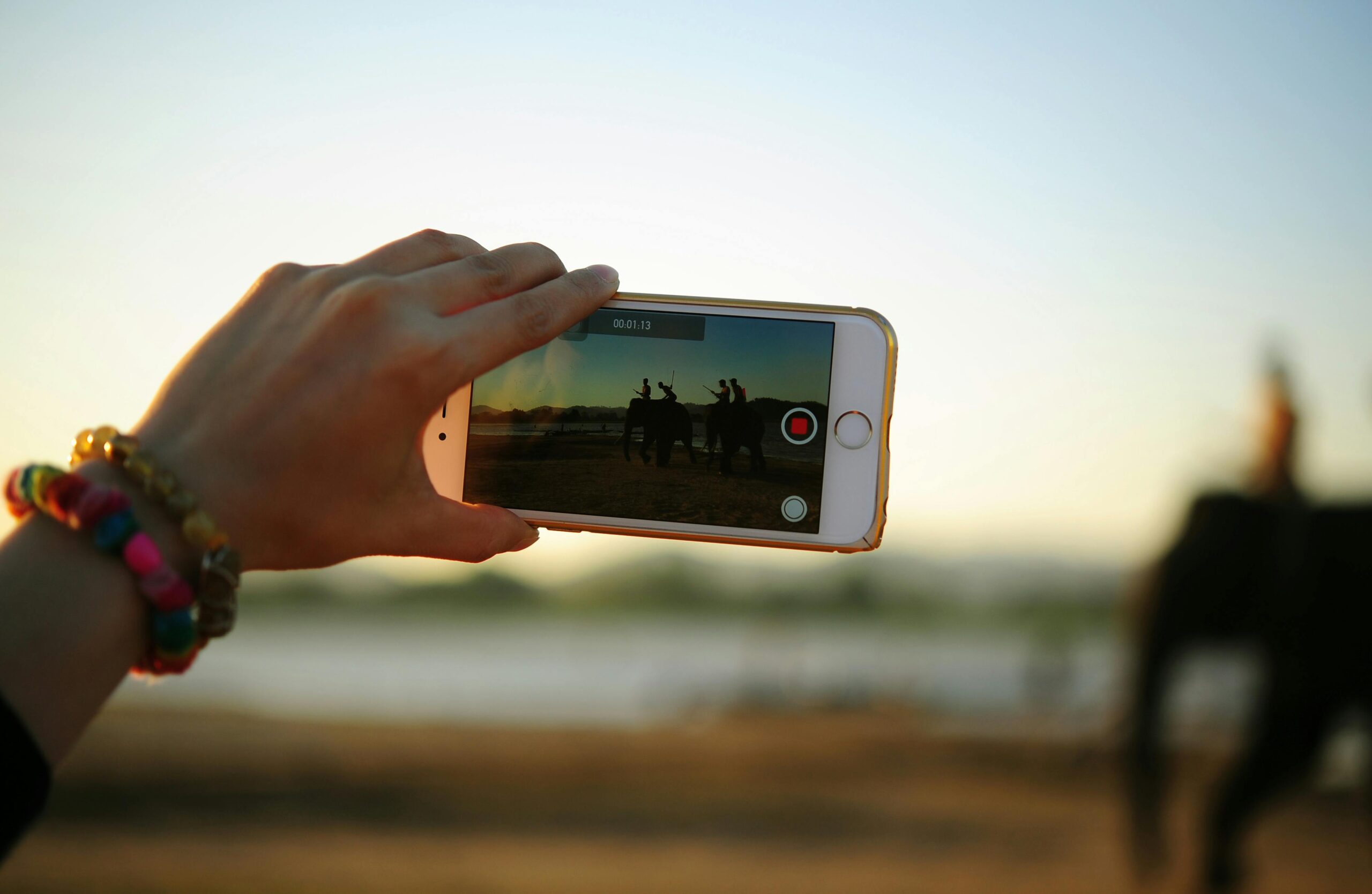
Technology has made soundscape exploration accessible to everyone. Numerous smartphone applications now allow people to record, identify, and share environmental sounds. These tools democratize soundscape ecology, enabling citizen scientists to contribute valuable data while developing deeper connections with their acoustic environment.
For those interested in bird song identification, apps like Merlin Bird ID use acoustic recognition to identify species from recordings. Nature enthusiasts can document the soundscapes around them, contributing to global databases that help researchers track species distributions and population trends.
Other applications focus on recording and analyzing environmental sounds more broadly, allowing users to create their own soundscape archives. Some include acoustic analysis features that visualize frequency patterns and sound levels, making the invisible world of soundscapes visible and understandable.
Harmonizing Human Presence: Toward Acoustic Sustainability 🌱
As awareness of soundscape importance grows, so does recognition that we must find ways to reduce harmful anthrophony while maintaining functional human societies. This challenge requires innovative approaches to urban planning, transportation design, and industrial practices.
Some cities have begun implementing “quiet areas”—zones where noise pollution is minimized through design and regulation. These spaces provide acoustic refuges for both wildlife and humans, demonstrating that urban environments need not be universally noisy.
Designing with Sound in Mind
Acoustic considerations are increasingly incorporated into environmental design. Highway barriers now include noise-reducing features, building codes may specify maximum sound transmission, and urban planners consider how sound propagates through city streets and parks.
In sensitive natural areas, restrictions on motorized vehicles, aircraft overflights, and industrial activities help preserve natural soundscapes. Marine protected areas may include acoustic protection measures, limiting ship traffic or requiring quieter vessel technologies.
Individual Actions, Collective Impact
While policy changes matter, individual choices also affect the acoustic environment. Simple actions like choosing quieter equipment, respecting quiet hours, and limiting unnecessary noise in natural areas collectively reduce anthrophony. Developing personal awareness of soundscapes—truly listening to the environment—often leads naturally to behaviors that protect acoustic quality.
The Future Symphony: What Lies Ahead 🔮
As climate change, habitat loss, and human expansion continue altering Earth’s environments, soundscapes will inevitably change. Some changes are already evident: shifting species ranges modify local biophony, changing precipitation patterns alter geophony, and expanding development increases anthrophony.
Yet there is reason for optimism. Growing scientific understanding of soundscape ecology provides tools for monitoring and protecting acoustic environments. Increasing public awareness creates cultural momentum for soundscape preservation. Technological innovations offer possibilities for reducing harmful noise while maintaining modern conveniences.
The future of Earth’s soundscapes will largely depend on choices we make today. Will we allow anthrophony to dominate, drowning out the biological and geological voices that have shaped our planet for millennia? Or will we find ways to harmonize human activities with natural acoustic patterns, creating soundscapes that sustain both ecological health and human well-being?

Becoming Better Listeners: A Call to Acoustic Awareness 👂
Perhaps the most important step toward soundscape preservation is simply learning to listen. Modern life often fills our ears with constant sound—music, media, notifications—leaving little room for attending to environmental acoustics. Developing acoustic awareness means deliberately creating space for listening to the world around us.
Try spending time in different environments with focused attention on sound. Notice how soundscapes change throughout the day, across seasons, and between locations. Identify individual sounds within the complex mixture. Consider how human sounds interact with natural ones. This practice deepens environmental connection while revealing patterns and changes that might otherwise escape notice.
By understanding the symphony of nature—the interplay of biophony, geophony, and anthrophony—we gain valuable insights into ecosystem health, environmental change, and our own impact on the planet. These soundscapes represent more than mere background noise; they are fundamental aspects of environmental quality, biodiversity indicators, and sources of human well-being.
The sounds of Earth tell stories worth preserving, harmonies worth protecting, and rhythms worth maintaining. As we move forward, may we become better listeners, wiser stewards, and more thoughtful contributors to the ongoing symphony that surrounds us. The acoustic heritage of our planet deserves nothing less than our full attention and committed protection. 🌍🎵