Soundscape mapping is revolutionizing how we understand, protect, and manage natural environments by capturing the acoustic signature of ecosystems through advanced technology.

Protected areas worldwide face unprecedented challenges in biodiversity conservation, habitat monitoring, and ecosystem management. Traditional visual surveys and manual observations, while valuable, often miss critical information about wildlife activity, species distribution, and environmental health. This is where soundscape mapping emerges as a game-changing tool, offering unprecedented insights into the acoustic ecology of natural spaces.
The integration of innovative acoustic technology into conservation planning represents more than just a technical advancement—it’s a paradigm shift in how we perceive and protect our planet’s most precious ecosystems. By listening to nature’s symphony, we can detect patterns invisible to the human eye and make more informed decisions about conservation priorities.
🎵 Understanding the Fundamentals of Soundscape Mapping
Soundscape mapping involves the systematic recording, analysis, and visualization of acoustic environments across spatial and temporal scales. Unlike simple audio recording, this sophisticated approach creates comprehensive acoustic profiles that reveal the complex relationships between biological, geophysical, and anthropogenic sound sources.
Every ecosystem produces a unique acoustic signature comprised of three main components: biophony (sounds from living organisms), geophony (sounds from natural non-biological sources like wind and water), and anthrophony (human-generated sounds). By analyzing these components, researchers can assess ecosystem health, monitor biodiversity, and identify threats to protected areas.
The technology behind soundscape mapping has evolved dramatically over the past decade. Modern acoustic sensors can operate autonomously for months, capturing high-quality recordings in challenging environmental conditions. These devices, often solar-powered and weatherproof, create vast datasets that would be impossible to collect through traditional field methods.
The Science Behind Acoustic Monitoring
Acoustic monitoring relies on sophisticated algorithms and machine learning to process enormous volumes of audio data. Advanced software can automatically identify species-specific vocalizations, measure acoustic diversity indices, and detect anomalies that might indicate environmental disturbances or illegal activities.
Researchers utilize various acoustic indices to quantify soundscape characteristics. The Acoustic Complexity Index (ACI), for example, measures the variability in sound intensity over time, providing insights into biological activity levels. The Normalized Difference Soundscape Index (NDSI) calculates the ratio between biological and anthropogenic sounds, offering a clear indicator of human impact on natural environments.
🌲 Revolutionary Applications in Protected Area Management
Protected area managers are discovering countless practical applications for soundscape mapping technology. These tools provide real-time intelligence that enhances decision-making across multiple conservation objectives.
Wildlife monitoring represents one of the most compelling use cases. Many species are more easily detected through their vocalizations than through visual observation. Nocturnal animals, secretive species, and those inhabiting dense vegetation become accessible to researchers through acoustic methods. This is particularly valuable for monitoring endangered species populations without causing disturbance through human presence.
Soundscape data helps identify critical habitats by revealing where species concentrate their activities. Breeding areas, feeding grounds, and migration corridors all produce distinctive acoustic signatures that can guide habitat protection priorities. This spatial intelligence allows managers to target conservation interventions where they’ll have maximum impact.
Early Warning Systems for Ecosystem Threats
Perhaps most exciting is the potential for soundscape mapping to serve as an early warning system for ecosystem degradation. Changes in acoustic diversity often precede visible signs of environmental stress, allowing managers to intervene before damage becomes irreversible.
Illegal activities within protected areas, including poaching, logging, and unauthorized access, create characteristic acoustic signatures. Continuous acoustic monitoring can alert authorities to these threats in real-time, enabling rapid response. Several protected areas have already implemented acoustic surveillance systems that automatically flag suspicious sounds like chainsaw operation or gunshots.
💡 Innovative Technologies Driving the Field Forward
The technological landscape of soundscape mapping continues to evolve at an impressive pace. Modern acoustic sensors have become increasingly affordable, accessible, and capable, democratizing access to this powerful conservation tool.
Cloud-based platforms now enable researchers worldwide to share acoustic data, collaborate on analysis, and compare findings across different ecosystems. This global perspective accelerates our understanding of acoustic ecology and reveals patterns that would be invisible in isolated studies.
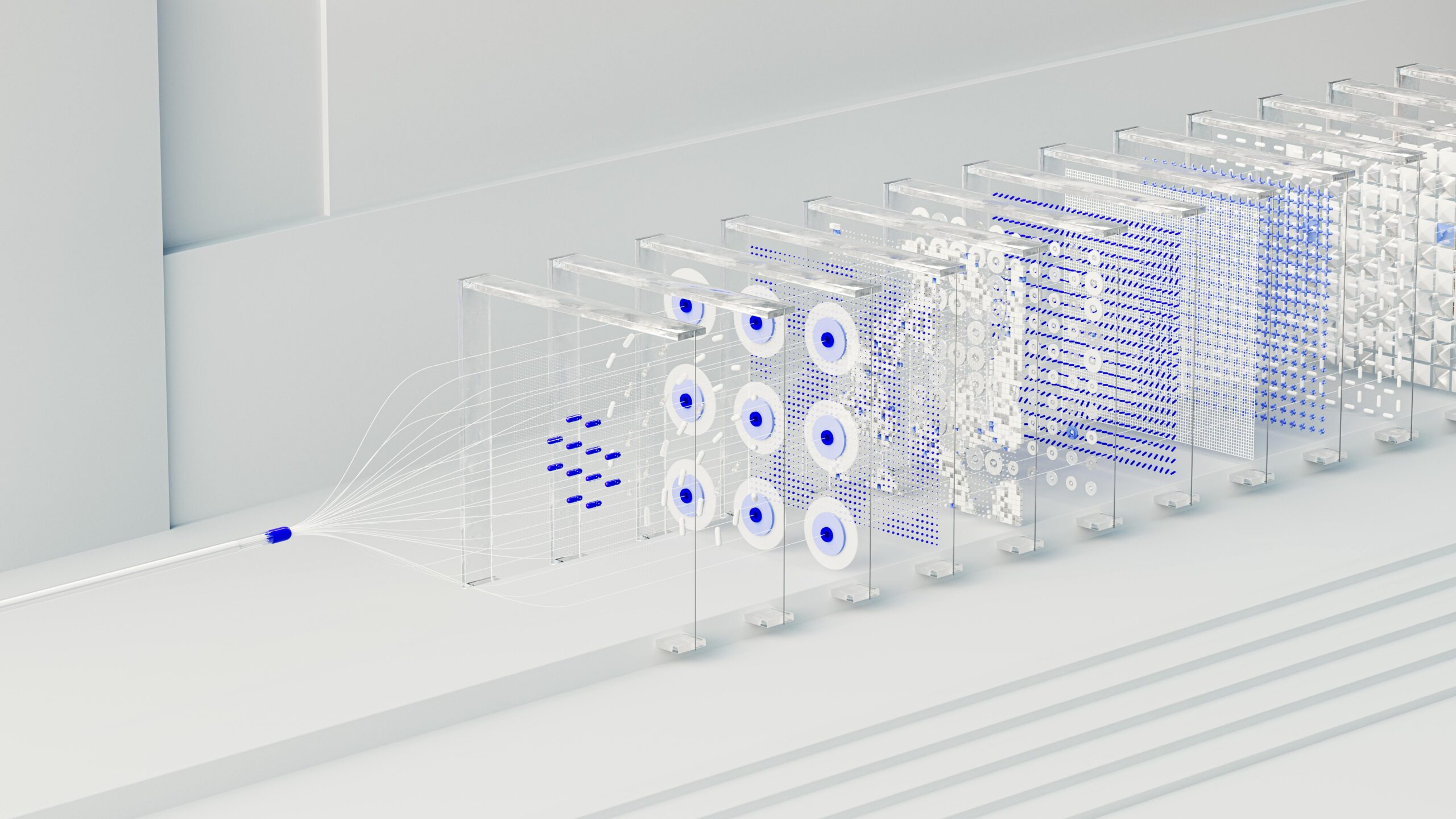
Artificial intelligence and machine learning have transformed data processing capabilities. Neural networks trained on millions of vocalizations can now identify species with remarkable accuracy, often surpassing human experts. These systems continuously improve as they process more data, creating a positive feedback loop of increasing capability.
Mobile Technology Empowering Citizen Scientists
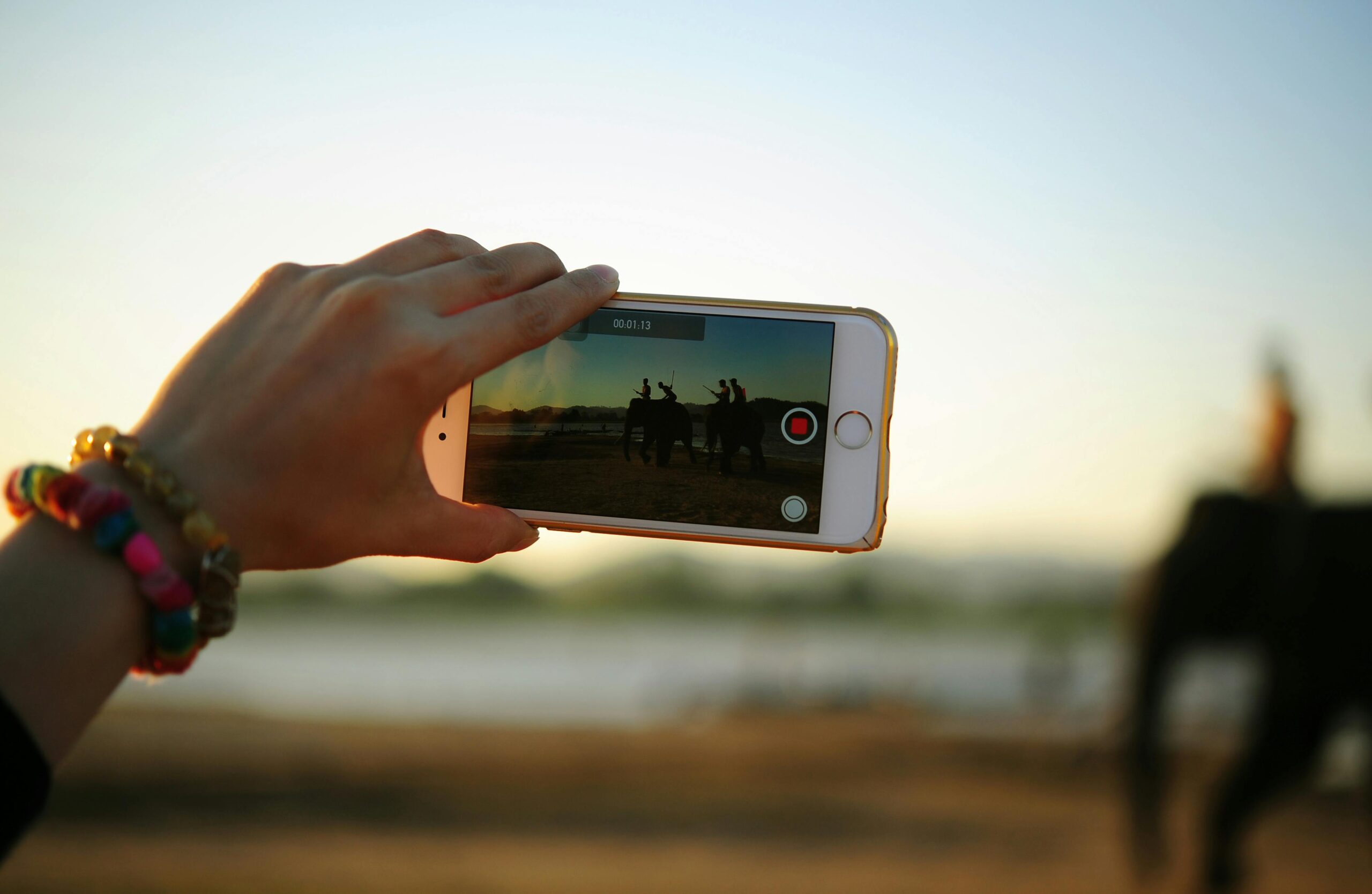
Smartphone applications have opened soundscape mapping to citizen scientists, dramatically expanding data collection capacity. These apps enable nature enthusiasts to contribute meaningful observations while learning about the acoustic environment around them.
Several applications facilitate acoustic biodiversity monitoring through user-friendly interfaces that require no specialized knowledge. These tools democratize conservation science, fostering public engagement while generating valuable datasets that complement professional research programs.
📊 Integration with Comprehensive Conservation Planning
Maximum value emerges when soundscape data integrates with other monitoring approaches and planning frameworks. Acoustic information complements camera trap data, satellite imagery, and traditional field surveys to create holistic ecosystem assessments.
Geographic Information Systems (GIS) provide the perfect platform for visualizing soundscape data alongside other spatial information. Managers can overlay acoustic diversity maps with habitat classifications, species distribution models, and land use patterns to identify conservation priorities and potential conflicts.
Strategic conservation planning increasingly incorporates acoustic metrics into decision-support tools. When evaluating potential reserve boundaries, corridor placements, or restoration priorities, acoustic data adds a crucial dimension that traditional approaches overlook.
Measuring Conservation Success Through Sound
Soundscape mapping offers powerful metrics for evaluating conservation interventions. Restoration projects can be monitored by tracking changes in acoustic diversity and biophony levels over time. Successful habitat recovery typically produces measurable increases in both the richness and evenness of biological sounds.
Management actions can be adaptively refined based on acoustic feedback. If soundscape monitoring reveals that certain areas remain acoustically impoverished despite restoration efforts, managers can adjust strategies to address underlying problems. This evidence-based approach increases the efficiency of limited conservation resources.
🌍 Global Success Stories and Case Studies
Protected areas around the world have demonstrated the transformative potential of soundscape mapping. In tropical rainforests, acoustic monitoring has revealed previously unknown populations of rare species and documented the recovery of degraded habitats following restoration interventions.
Marine protected areas utilize underwater acoustic monitoring to track whale populations, monitor fish aggregations, and detect illegal fishing activities. The ocean’s soundscape provides rich information about ecosystem health that would be impossible to obtain through other methods in such vast and challenging environments.
Urban protected areas employ soundscape mapping to understand how human noise affects wildlife behavior and distribution. This information guides the design of buffer zones, quiet areas, and management strategies that minimize disturbance to sensitive species.
Lessons Learned from Implementation
Successful soundscape mapping programs share several common characteristics. They establish clear objectives before deployment, ensuring that acoustic monitoring addresses specific management questions. They integrate acoustic data with existing monitoring programs rather than treating it as a standalone approach.
Effective programs also invest in local capacity building, training staff in acoustic monitoring methods and data interpretation. This ensures that acoustic insights inform day-to-day management decisions rather than remaining isolated in research publications.
🚀 Overcoming Implementation Challenges
Despite its tremendous potential, soundscape mapping faces several practical challenges that require thoughtful solutions. Data management represents a significant hurdle—acoustic monitoring generates enormous file sizes that strain storage and processing infrastructure.
Technical expertise requirements can create barriers to adoption, particularly in protected areas with limited resources. However, increasingly user-friendly software and training programs are making acoustic monitoring more accessible to non-specialists.
Standardization remains an ongoing challenge. Different researchers use varied recording protocols, acoustic indices, and analysis methods, making it difficult to compare results across studies. International collaboration efforts are working to establish best practices and standardized approaches.
Cost-Effective Strategies for Resource-Limited Settings
Protected areas operating with limited budgets can still implement effective soundscape mapping programs. Strategic sensor placement maximizes coverage while minimizing equipment needs. Partnerships with research institutions can provide technical support and data analysis capacity.
Open-source software tools eliminate licensing costs while offering sophisticated analysis capabilities. Community-based monitoring programs leverage local knowledge and enthusiasm, reducing reliance on expensive external consultants.
🔮 Future Horizons in Acoustic Conservation Technology
The future of soundscape mapping promises even more exciting capabilities. Real-time species identification systems will soon alert managers instantly when rare or invasive species are detected. Predictive models will forecast biodiversity changes based on acoustic trends, enabling proactive conservation interventions.
Integration with other sensor networks will create comprehensive environmental monitoring systems. Acoustic data combined with weather stations, water quality sensors, and wildlife tracking devices will provide unprecedented understanding of ecosystem dynamics.
Emerging technologies like edge computing will enable sophisticated analysis to occur directly on acoustic sensors, reducing data transmission requirements and enabling faster response times. This will be particularly valuable in remote protected areas with limited connectivity.
The Role of Big Data and Artificial Intelligence
As acoustic datasets grow exponentially, big data analytics will become increasingly important. Machine learning algorithms will identify subtle patterns invisible to human analysts, revealing complex relationships between acoustic environments and ecosystem health.
Artificial intelligence will eventually enable fully automated ecosystem monitoring systems that continuously assess conservation status, detect threats, and recommend management actions. Human expertise will remain essential for interpreting results and making final decisions, but AI will dramatically enhance our monitoring capacity.

🌟 Transforming Conservation Through Collaborative Innovation
The full potential of soundscape mapping will be realized through collaboration across disciplines, institutions, and borders. Acousticians, ecologists, conservation managers, and technology developers must work together to refine methods and develop practical applications.
International data sharing networks will enable global-scale analyses of acoustic biodiversity patterns, revealing how ecosystems respond to climate change and other pressures. This planetary perspective will inform conservation strategies at all scales.
Public engagement represents another frontier. When people can “listen” to protected areas through online soundscape platforms, they develop deeper emotional connections to these places and stronger support for conservation funding. This engagement transforms acoustic data from a technical tool into a powerful advocacy resource.
The integration of soundscape mapping into protected area planning represents more than technological innovation—it embodies a more attentive, responsive approach to conservation. By listening carefully to nature’s acoustic signature, we gain the insights needed to protect biodiversity more effectively in an era of rapid environmental change.
As acoustic technology continues advancing and becoming more accessible, soundscape mapping will transition from a specialized research tool to a standard component of protected area management worldwide. This evolution will enhance our capacity to safeguard the planet’s most precious ecosystems for future generations, guided by the wisdom contained in nature’s own voice.