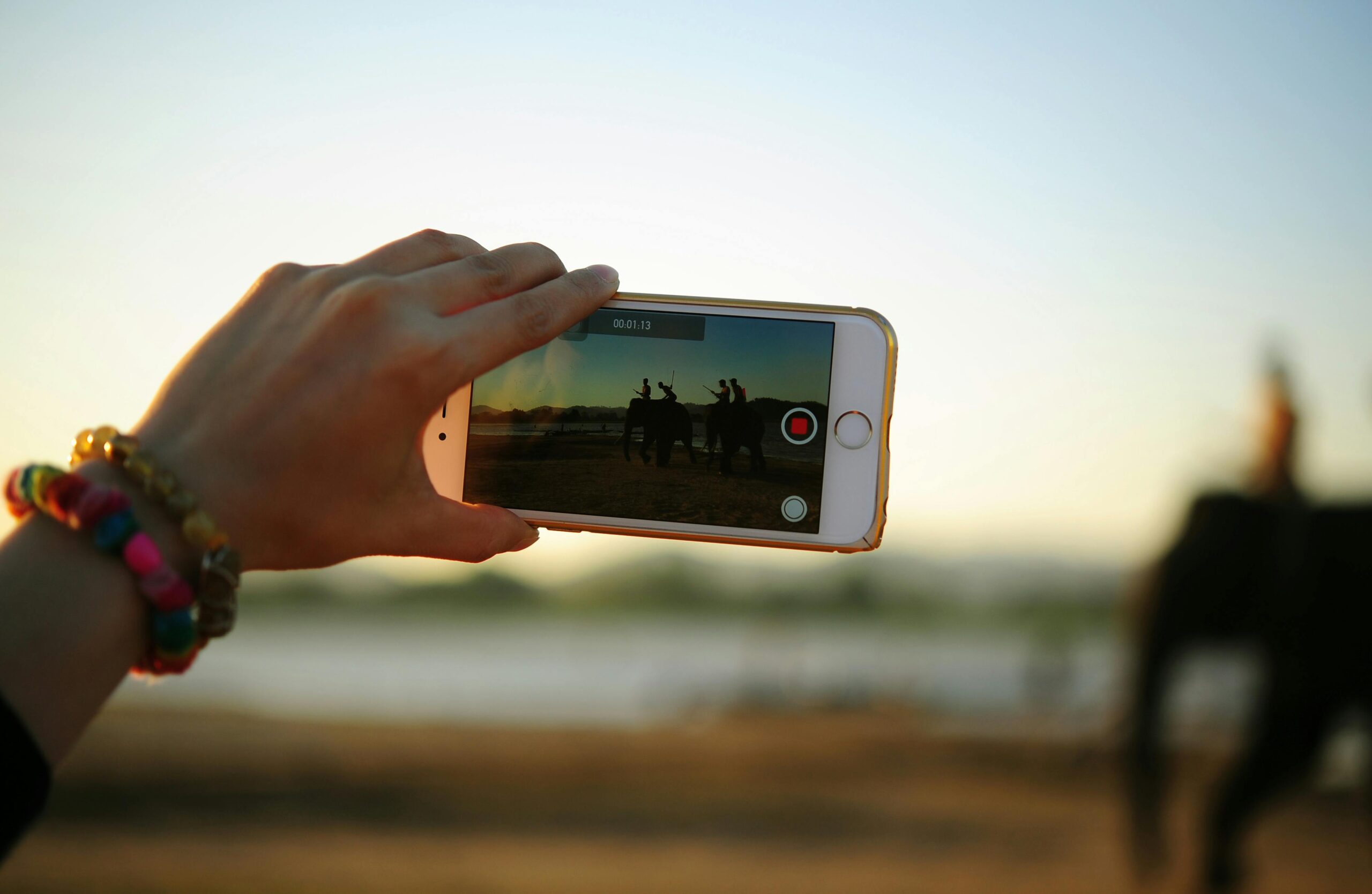
The fusion of Internet of Things technology with conservation efforts is creating unprecedented opportunities to protect our planet’s biodiversity and ecosystems through real-time monitoring and data-driven decision-making.

🌍 The Digital Revolution in Environmental Conservation
Conservation monitoring has traditionally relied on labor-intensive manual surveys, periodic site visits, and paper-based data collection methods. These approaches, while valuable, often resulted in delayed responses to environmental threats and incomplete datasets. The emergence of IoT standards has fundamentally transformed this landscape, enabling conservationists to deploy interconnected sensor networks that provide continuous, accurate, and actionable environmental intelligence.
IoT standards establish common protocols and frameworks that allow different devices and systems to communicate seamlessly. In conservation contexts, this interoperability means that temperature sensors, camera traps, acoustic monitors, and satellite trackers can all work together within unified platforms. The result is a comprehensive environmental monitoring ecosystem that captures multidimensional data about wildlife populations, habitat conditions, and emerging threats.
Understanding IoT Standards in Conservation Applications
Several key IoT standards have proven particularly valuable for conservation monitoring initiatives. The LoRaWAN (Long Range Wide Area Network) protocol enables long-distance, low-power communication ideal for remote wilderness areas where cellular coverage is unavailable. This standard allows sensor nodes to transmit data over distances exceeding 10 kilometers while operating on battery power for years.
MQTT (Message Queuing Telemetry Transport) provides lightweight messaging protocols perfect for conservation applications with limited bandwidth. Wildlife tracking collars, water quality sensors, and vegetation monitors can efficiently transmit critical data without requiring extensive infrastructure investments.
The Wireless Sensor Network (WSN) standards create mesh networks where devices relay information through multiple nodes, ensuring data reaches central repositories even when individual devices are beyond direct communication range. This redundancy proves essential in challenging terrain where signal obstacles are common.
Standardization Benefits for Conservation Technology 🔧
The adoption of IoT standards in conservation monitoring delivers numerous strategic advantages. Interoperability allows organizations to select best-in-class devices from different manufacturers without compatibility concerns. A park service might use tracking collars from one vendor, acoustic sensors from another, and camera traps from a third supplier, with all devices feeding into a unified analytics platform.
Scalability becomes significantly more achievable when deployments follow established standards. Conservation projects can start with pilot installations and expand systematically as funding becomes available, knowing that new devices will integrate smoothly with existing infrastructure. This incremental growth model reduces financial barriers and allows organizations to demonstrate value before making major investments.
Cost efficiency improves through standardization as manufacturers achieve economies of scale and competition increases among vendors. Open-source implementations of many IoT standards further reduce expenses, making sophisticated monitoring capabilities accessible to smaller organizations and developing nations where biodiversity is often most threatened.
Real-World Applications Transforming Conservation Efforts
Wildlife tracking represents one of the most impactful applications of IoT standards in conservation. GPS-enabled collars and tags complying with standard protocols now monitor migration patterns, territorial behaviors, and population dynamics for endangered species ranging from African elephants to marine turtles. These devices transmit location data, activity levels, and physiological indicators, creating rich behavioral datasets that inform protection strategies.
Anti-poaching systems leverage IoT sensor networks to detect unauthorized human presence in protected areas. Standardized acoustic sensors identify gunshots, vehicle sounds, and chainsaw activity, triggering immediate alerts to ranger patrols. Thermal cameras using common communication protocols can distinguish between wildlife and potential poachers, enabling proactive intervention before illegal activities cause harm.
Ecosystem Health Monitoring Through Connected Sensors 🌿
Comprehensive ecosystem monitoring requires diverse sensor types working in concert. IoT standards enable this integration across multiple environmental parameters:
- Soil moisture and nutrient sensors track vegetation health and drought conditions
- Water quality monitors measure pH, dissolved oxygen, turbidity, and contaminant levels in aquatic ecosystems
- Weather stations provide localized climate data including temperature, precipitation, wind patterns, and atmospheric pressure
- Air quality sensors detect pollutants, particulate matter, and greenhouse gas concentrations
- Acoustic monitors capture bioacoustic signatures indicating species presence and ecosystem vitality
These standardized sensors create digital twins of protected areas—virtual representations updated continuously with real-world data. Conservation managers can visualize ecosystem dynamics, identify emerging threats, and evaluate intervention effectiveness with unprecedented precision.
Overcoming Implementation Challenges
Despite tremendous potential, deploying IoT conservation monitoring systems presents notable challenges. Power supply in remote locations requires creative solutions since traditional electrical infrastructure is typically absent. Solar panels combined with efficient energy harvesting technologies and ultra-low-power device designs address this constraint. Some advanced systems even harvest energy from temperature differentials or mechanical vibrations.
Connectivity limitations in wilderness areas demand robust communication strategies. Hybrid approaches combining LoRaWAN for local sensor networks, satellite uplinks for remote data transmission, and cellular connections where available create resilient communication architectures. Data buffering capabilities ensure that temporary connection losses don’t result in information gaps.
Environmental durability represents another critical consideration. Conservation monitoring devices must withstand extreme temperatures, moisture, dust, physical impacts from wildlife, and years of continuous outdoor exposure. Adherence to IP67 or IP68 ingress protection standards ensures devices remain operational despite harsh conditions.
Data Management and Analytics Infrastructure 📊
The volume of data generated by IoT conservation networks quickly becomes overwhelming without proper management systems. Edge computing processes information locally, filtering noise and transmitting only meaningful events to reduce bandwidth requirements and central storage needs. Machine learning algorithms running on edge devices can identify specific animal species, detect anomalous environmental conditions, or recognize threat patterns autonomously.
Cloud platforms designed around IoT standards provide centralized data repositories with powerful analytics capabilities. Conservation organizations can apply artificial intelligence to discover patterns invisible to human observers, predict seasonal changes, forecast poaching risks, and optimize resource allocation for maximum protective impact.
Data visualization tools transform raw sensor readings into intuitive dashboards, maps, and trend charts that stakeholders can easily interpret. Decision-makers gain clear insights without requiring technical expertise, democratizing access to sophisticated environmental intelligence.
Case Studies: IoT Standards Making a Difference
The Elephant Listening Project in Central African forests demonstrates IoT standards’ conservation potential. Acoustic sensor networks using standardized protocols continuously monitor forest elephant populations through their distinctive vocalizations. The system detects poaching activity through gunshot recognition algorithms and has contributed to significant reductions in illegal hunting while advancing our understanding of elephant social structures and movement patterns.
Smart Parks Foundation has deployed LoRaWAN-based monitoring systems across multiple African reserves, creating comprehensive security networks that protect rhinos, elephants, and other threatened species. Standardized sensor integration allows rapid deployment across new sites using proven technologies, with each installation building on lessons learned from previous implementations.
Marine Conservation Through Connected Technology 🐋
Ocean monitoring presents unique challenges addressed through specialized IoT applications. Autonomous underwater vehicles and buoys equipped with standardized sensors track marine mammal populations, monitor coral reef health, and detect illegal fishing activities. Satellite-connected devices provide global coverage even in the most remote ocean regions.
Smart fishing gear incorporating IoT technology helps reduce bycatch through sensors that identify target species and automatically release non-target animals unharmed. These systems comply with maritime communication standards, enabling integration with existing vessel monitoring systems and fisheries management platforms.
The Role of Artificial Intelligence and Machine Learning
Artificial intelligence transforms IoT conservation data from descriptive observations into predictive intelligence. Machine learning models trained on historical datasets can forecast poaching likelihood based on seasonal patterns, economic indicators, and previous incident locations. Conservation agencies deploy ranger patrols proactively to high-risk areas identified through AI analysis.
Computer vision algorithms process camera trap images automatically, identifying individual animals through unique markings, coat patterns, or facial features. This automated recognition eliminates thousands of hours of manual image review while providing more consistent identification than human observers. Population estimates become more accurate and timely, enabling evidence-based management decisions.
Bioacoustic analysis powered by AI detects specific species calls within complex soundscapes, monitoring biodiversity changes over time. These systems identify subtle ecosystem shifts that might indicate environmental stress, invasive species arrival, or climate change impacts before visible symptoms emerge.
Building Sustainable IoT Conservation Programs
Long-term success requires careful program design beyond initial technology deployment. Training local staff to maintain, troubleshoot, and expand IoT monitoring networks ensures sustainability after external technical experts depart. Capacity building initiatives should emphasize practical skills including device installation, data interpretation, and basic system administration.
Community engagement proves essential for IoT conservation projects. Local populations must understand monitoring systems’ purposes and benefits to become partners rather than obstacles. Sharing wildlife sighting data, employing community members as sensor technicians, and demonstrating how conservation supports local livelihoods builds crucial support.
Funding Models and Economic Considerations 💰
Conservation IoT implementations require strategic funding approaches that address both initial deployment costs and ongoing operational expenses. Public-private partnerships leverage corporate technology expertise and resources while advancing conservation missions aligned with environmental, social, and governance objectives.
Carbon credit programs increasingly fund conservation monitoring systems that verify forest protection and ecosystem restoration. IoT sensor networks provide the measurement, reporting, and verification infrastructure required for credible carbon offset markets, creating self-sustaining funding mechanisms.
Conservation technology grants from foundations and international organizations support pilot projects demonstrating IoT standard implementations. Successful demonstrations build evidence for scaling investments and attracting additional funders impressed by measurable outcomes.
Future Directions in Conservation IoT
Emerging technologies promise even more powerful conservation monitoring capabilities. 5G networks will enable real-time high-definition video streaming from remote cameras, supporting live observation and rapid response to wildlife emergencies. Nanosatellite constellations will provide global IoT connectivity at costs far below traditional satellite services.
Biodegradable sensors manufactured from sustainable materials will eliminate concerns about device recovery from sensitive habitats. These environmentally neutral sensors can be deployed extensively without environmental impact after their operational lifespan concludes.
Blockchain integration with IoT monitoring systems will create immutable records of conservation data, preventing manipulation and enhancing credibility for carbon markets, certification programs, and legal proceedings against environmental criminals.
Standardization Evolution and Collaboration 🤝
Ongoing development of conservation-specific IoT standards will address unique requirements that generic protocols don’t fully satisfy. Industry consortiums bringing together conservation organizations, technology companies, and academic institutions are establishing best practices for wildlife monitoring, habitat assessment, and threat detection.
Open data initiatives make conservation IoT information available to researchers worldwide, accelerating scientific discovery and enabling global collaboration. Standardized data formats ensure that monitoring results from different continents can be compared meaningfully, revealing large-scale patterns and supporting international conservation policy development.
Maximizing Impact Through Strategic Implementation
Successful IoT conservation monitoring begins with clear objective definition. Organizations must identify specific questions they need answered: What species populations require monitoring? Which threats demand early detection? What environmental parameters indicate ecosystem health changes? Focused objectives guide appropriate sensor selection and deployment strategies.
Pilot projects test technologies and approaches before full-scale implementation. Starting with limited geographic areas or specific species allows organizations to refine methodologies, train personnel, and demonstrate value to stakeholders without overwhelming resource commitments.
Adaptive management treats IoT deployments as evolving systems rather than static installations. Regular evaluation of data quality, device performance, and management utility identifies improvement opportunities. Successful programs continuously incorporate new sensors, upgrade analytics capabilities, and expand coverage based on lessons learned.
Empowering the Next Generation of Conservation
IoT technology makes conservation science more accessible and engaging for younger generations comfortable with digital tools. Citizen science platforms built on standardized IoT infrastructure enable public participation in conservation monitoring through smartphone applications and web interfaces. This engagement builds environmental awareness while generating valuable supplementary data.
Educational programs introducing students to conservation IoT foster technical skills and environmental stewardship simultaneously. Hands-on projects deploying sensor networks in local habitats teach engineering principles while cultivating conservation values that shape future career choices and environmental behaviors.
Transforming Conservation Through Connected Intelligence 🌟
The revolution in conservation monitoring powered by IoT standards represents more than technological advancement—it embodies a fundamental shift toward data-driven environmental stewardship. Standardized, interconnected devices create unprecedented visibility into ecosystem dynamics, wildlife populations, and environmental threats that were previously invisible or detected too late for effective intervention.
This technological transformation democratizes sophisticated conservation capabilities, making powerful monitoring tools accessible to organizations regardless of size or location. Open standards eliminate vendor lock-in and proprietary barriers, fostering innovation and competition that continuously improve capability while reducing costs.
The path forward requires sustained commitment to developing conservation-specific IoT standards, training personnel in emerging technologies, and building collaborative networks that share knowledge and resources. As monitoring systems mature and datasets grow, artificial intelligence will unlock increasingly sophisticated insights that guide more effective protection strategies.
Success ultimately depends on recognizing that technology serves conservation goals rather than replacing fundamental ecological understanding and community engagement. IoT standards provide powerful tools, but human wisdom, ethical judgment, and stakeholder collaboration remain essential for translating data into meaningful environmental protection.
Conservation monitoring enhanced by IoT standards offers genuine hope for preserving Earth’s biological diversity amid accelerating environmental challenges. By harnessing these technologies strategically, the global conservation community can detect threats earlier, respond more effectively, and ultimately secure a more sustainable future for both wildlife and humanity.