Professional audio recording demands precision equipment that captures every nuance. Whether you’re a podcaster, musician, or content creator, understanding microphones, recorders, and edge devices transforms your audio quality dramatically.

🎙️ The Foundation of Professional Audio Recording
The journey to pristine audio begins with understanding the fundamental components that comprise a professional recording setup. Modern recording technology has evolved significantly, offering creators unprecedented access to studio-quality equipment at various price points. The synergy between microphones, recorders, and edge processing devices creates the backbone of any successful audio production workflow.
Professional recording isn’t merely about owning expensive equipment—it’s about selecting the right tools for your specific needs. A podcaster’s requirements differ substantially from those of a classical musician or field recordist. Understanding these distinctions prevents costly mistakes and ensures your investment delivers maximum value.
Understanding Microphone Types and Their Applications
Microphones represent the first critical link in your audio chain. They convert acoustic energy into electrical signals, and their quality directly impacts your final recording. Three primary microphone types dominate professional recording: dynamic, condenser, and ribbon microphones, each offering distinct characteristics suited to different applications.
Dynamic Microphones: The Workhorse Solution
Dynamic microphones excel in durability and versatility. Their construction involves a diaphragm attached to a coil of wire suspended in a magnetic field. When sound waves hit the diaphragm, the coil moves within the magnetic field, generating electrical current. This robust design makes dynamics ideal for live performances, high-SPL environments, and rough handling scenarios.
Popular models like the Shure SM58 and SM7B have become industry standards. The SM7B particularly shines in broadcast applications, offering smooth, flat frequency response with minimal proximity effect. Dynamic microphones typically require less gain than condensers, making them excellent choices when recording loud sources like guitar amplifiers or drums.
Condenser Microphones: Studio Precision
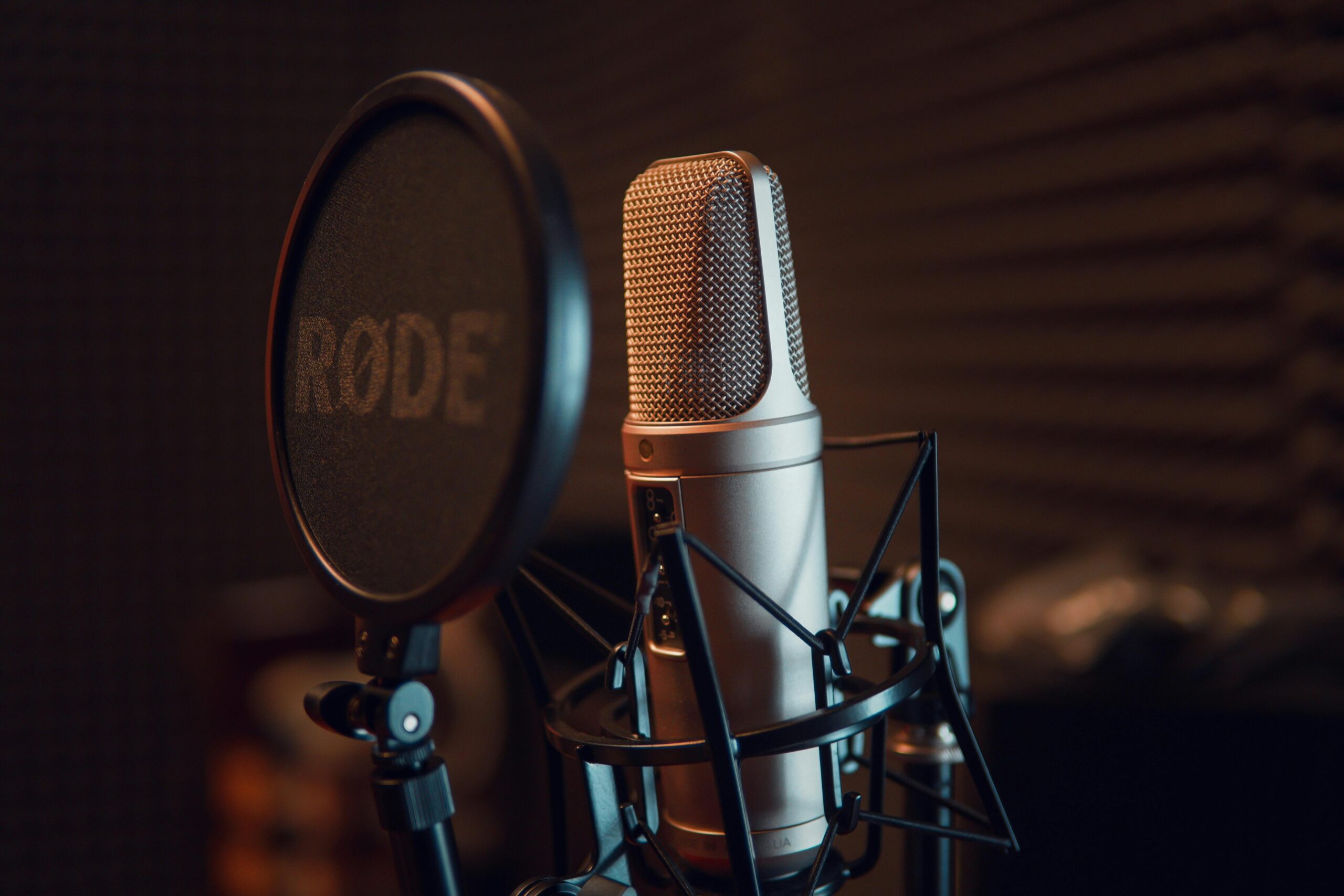
Condenser microphones provide superior sensitivity and extended frequency response compared to dynamic models. They operate using a capacitor-based design where the diaphragm acts as one plate of the capacitor. When sound waves move the diaphragm, the capacitance changes, creating the electrical signal. This design requires phantom power—typically 48 volts—supplied by your recording device or external preamp.
Large-diaphragm condensers capture rich, detailed recordings perfect for vocals, acoustic instruments, and room ambience. Small-diaphragm condensers offer precise transient response, making them ideal for instruments with fast attacks like percussion, acoustic guitars, and orchestral recordings. The Neumann U87, Audio-Technica AT2020, and Rode NT1 represent different price tiers within this category, each delivering exceptional results.
Ribbon Microphones: Vintage Character
Ribbon microphones use a thin metal ribbon suspended in a magnetic field. Their natural, smooth sound characteristics capture high frequencies without harshness. Modern ribbon designs have overcome earlier fragility issues, though they still require careful handling. Ribbons excel at capturing brass instruments, guitar cabinets, and vocals requiring vintage warmth.
Polar Patterns: Directing Your Sound Capture
Understanding polar patterns proves crucial when selecting microphones. The polar pattern describes a microphone’s sensitivity to sound from different directions. Common patterns include cardioid, omnidirectional, figure-8, and various shotgun configurations.
Cardioid patterns reject sound from the rear while capturing from the front and sides, making them perfect for isolating sound sources. Omnidirectional patterns capture equally from all directions, ideal for natural room sound or capturing multiple performers. Figure-8 patterns capture front and rear while rejecting sides, useful for interviews or mid-side stereo recording techniques.
Digital Recorders: Capturing Your Sound
Once your microphone converts acoustic energy into electrical signals, you need quality recording devices to preserve that information. Modern digital recorders span from portable handheld units to multi-track field recorders and computer-based audio interfaces.
Portable Handheld Recorders
Portable recorders provide unmatched convenience for journalists, field recordists, and musicians capturing ideas on the go. Devices from manufacturers like Zoom, Tascam, and Sony combine built-in microphones with external inputs, offering remarkable flexibility in compact packages.
The Zoom H6 exemplifies this category with interchangeable microphone capsules, four XLR inputs, and professional features like dual recording (simultaneously recording backup tracks at lower levels). When selecting portable recorders, prioritize preamp quality, battery life, and file format options. Recording at 24-bit/96kHz provides professional quality while maintaining reasonable file sizes.
Multi-Track Field Recorders
Professional film production and music recording often demands simultaneous multi-track recording. Devices like the Sound Devices MixPre series and Zoom F8n provide eight or more channels of pristine recording with timecode synchronization, essential for video production workflows.
These recorders feature professional-grade preamps, limiters, and metadata capabilities. Their robust construction withstands challenging environmental conditions, while dual SD card recording ensures redundancy—critical when capturing irreplaceable performances or location sound.
Audio Interfaces: The Studio Connection
Computer-based recording workflows require quality audio interfaces converting analog signals to digital data your DAW (Digital Audio Workstation) can process. USB, Thunderbolt, and PCIe interfaces offer varying channel counts, latency performance, and connectivity options.
Focusrite Scarlett, Universal Audio Apollo, and RME Babyface represent different price tiers, each delivering professional results. When selecting interfaces, consider microphone preamp quality, converter specifications (aim for at least 24-bit/192kHz capability), and driver stability for your operating system.
⚡ Edge Processing Devices: Modern Audio Intelligence
Edge processing represents cutting-edge technology where audio processing occurs locally rather than in cloud environments. These devices integrate artificial intelligence and DSP (Digital Signal Processing) to enhance recordings in real-time, offering noise reduction, dynamic processing, and spatial audio capabilities.
Real-Time Processing Benefits
Edge devices process audio with minimal latency, crucial for live monitoring during recording. Devices incorporating AI-powered noise reduction identify and eliminate unwanted sounds without artifacts traditional noise gates create. This technology proves invaluable when recording in less-than-ideal acoustic environments.
Modern edge processors also offer voice enhancement algorithms that automatically optimize EQ, compression, and de-essing. These intelligent systems adapt to different voices and recording situations, dramatically reducing post-production time while maintaining natural sound quality.
Networked Audio Solutions
Professional installations increasingly leverage networked audio systems using protocols like Dante, AVB, or AES67. These systems distribute audio digitally across networks, eliminating signal degradation from long cable runs. Edge devices in networked systems can process multiple channels simultaneously while providing remote control and monitoring capabilities.
Acoustic Environment Considerations
Even the finest equipment cannot compensate for poor acoustic environments. Understanding room acoustics and implementing appropriate treatment maximizes your equipment investment and recording quality.
Room Treatment Essentials
Professional recording spaces require balance between absorption and diffusion. Excessive absorption creates lifeless recordings, while insufficient treatment causes unwanted reflections and modal resonances. Focus treatment at first reflection points—the walls, ceiling, and floor where sound bounces between your monitors and listening position.
Bass traps in room corners address low-frequency buildup that muddies recordings. Diffusers scatter sound energy, maintaining liveliness while controlling problematic reflections. Acoustic treatment need not be expensive—DIY solutions using mineral wool panels provide professional results at fraction of commercial product costs.
Portable Acoustic Solutions
When recording outside controlled studio environments, portable acoustic treatment proves invaluable. Reflection filters mount behind microphones, reducing room reflections during vocal recording. Portable vocal booths offer complete isolation for location recording, though they can create claustrophobic sound if not properly designed.
🎚️ Signal Chain Optimization
Understanding signal flow from microphone through recorder to final output ensures optimal gain staging and minimal noise introduction. Each stage in your signal chain impacts the final recording quality.
Gain Staging Fundamentals
Proper gain staging maintains healthy signal levels throughout your recording chain without clipping or excessive noise. Set microphone preamp gain to achieve average levels around -18dBFS (decibels Full Scale), leaving headroom for transient peaks. This approach prevents digital clipping while maintaining low noise floors.
Many recorders offer peak meters showing maximum levels and VU meters displaying average levels. Understanding both measurements ensures recordings that translate well across playback systems and provide sufficient dynamic range for mixing.
Impedance Matching
Microphone and preamp impedance relationships affect frequency response and noise performance. While most modern equipment features standardized impedances minimizing issues, understanding these relationships prevents unexpected problems. Low-impedance microphones (150-600 ohms) connect to high-impedance preamp inputs (1500+ ohms) for optimal performance.
Mobile Recording Applications
Smartphones and tablets have evolved into legitimate recording tools when paired with quality interfaces and applications. iOS and Android devices offer processing power rivaling dedicated recorders, enabling professional mobile recording workflows.
Professional recording applications provide multi-track capabilities, plugin support, and project management features. These solutions prove perfect for capturing song ideas, podcast interviews, or field recordings without carrying extensive equipment.
Choosing Equipment for Specific Applications
Different recording scenarios demand specific equipment combinations. Understanding these requirements ensures you select appropriate tools rather than purchasing unnecessary gear.
Podcasting and Voice Recording
Podcast recording prioritizes voice clarity and consistency. Large-diaphragm dynamic microphones like the Shure SM7B or Electro-Voice RE20 provide broadcast-quality vocals while rejecting room noise. Pair these with interfaces offering sufficient clean gain (60dB+) to properly drive these microphones without adding noise.
Consider USB microphones like the Shure MV7 or Audio-Technica ATR2100x for simplified setups eliminating separate interfaces. These hybrid models offer both USB and XLR connectivity, providing upgrade paths as your production evolves.
Music Recording Requirements
Music recording demands versatility—capturing various instruments requires different microphone types and recording approaches. A basic music recording setup includes one large-diaphragm condenser for vocals and acoustic instruments, a dynamic microphone for louder sources, and a stereo pair of small-diaphragm condensers for drums or ensemble recording.
Your recording interface should provide at least four simultaneous inputs for basic band recording, though more inputs offer greater flexibility. Prioritize preamp quality over channel count—four excellent preamps outperform eight mediocre ones.
Field Recording and Sound Design
Field recordists capturing sound effects, ambiences, and wildlife require portable, weather-resistant equipment with extended battery life. Handheld recorders with high-quality built-in microphones suffice for many applications, though external shotgun or stereo microphones provide superior results.
Windscreens and shock mounts prove essential for outdoor recording, preventing wind noise and handling vibrations from ruining captures. Invest in quality accessories—a foam windscreen and furry windshield (dead cat) handle different wind conditions effectively.
🔧 Maintenance and Longevity
Quality recording equipment represents significant investment requiring proper care for optimal performance and longevity. Establishing maintenance routines protects your equipment and ensures consistent recording quality.
Microphone Care
Store microphones in protective cases when not in use, maintaining consistent temperature and humidity. Condenser microphones particularly suffer from humidity exposure, causing diaphragm issues. Use pop filters during vocal recording to prevent moisture and saliva damage to microphone elements.
Clean microphone grilles periodically using soft brushes or compressed air. For handheld dynamics used in live situations, disassemble and clean grilles more frequently to remove debris accumulation affecting frequency response.
Recorder and Interface Maintenance
Keep recording devices updated with latest firmware addressing bugs and adding features. Clean connectors periodically using contact cleaner to prevent oxidation causing intermittent connections or noise.
For portable recorders, maintain fresh batteries and store devices partially charged when unused for extended periods. Lithium batteries degraded from complete discharge or prolonged full charge storage.
Building Your Recording Arsenal Strategically
Avoid the temptation to purchase everything simultaneously. Strategic equipment acquisition based on immediate needs and planned growth proves more economical and educationally valuable. Master each piece of equipment before adding complexity.
Start with one quality microphone appropriate for your primary application, a reliable recorder or interface, and proper monitoring. As skills and requirements evolve, add specialized microphones, expanded channel count, or processing devices addressing specific limitations in your workflow.
Consider used equipment from reputable sources—quality microphones and interfaces maintain performance for decades when properly maintained. Professional studios frequently upgrade equipment, offering opportunities to acquire premium gear at significant savings.
🎯 Making Your Final Equipment Decisions
Selecting recording equipment ultimately balances technical requirements, budget constraints, and workflow preferences. Research thoroughly, reading professional reviews and user experiences. When possible, rent equipment before purchasing to ensure compatibility with your working style and applications.
Professional audio dealers often provide trial periods or return policies allowing home testing. Take advantage of these opportunities—specifications alone cannot predict how equipment performs in your specific environment with your voice or instruments.
Join online communities focused on recording and audio production. These forums provide invaluable real-world insights, troubleshooting assistance, and recommendations based on actual usage rather than marketing materials. Experienced recordists often share techniques maximizing equipment performance regardless of budget level.
Remember that audio excellence stems from understanding acoustics, microphone technique, and signal flow more than equipment cost. Develop these foundational skills while gradually upgrading equipment as budgets allow and limitations become apparent. This approach creates sustainable growth in both technical knowledge and recording capabilities, ultimately delivering professional results that engage and inspire your audience.