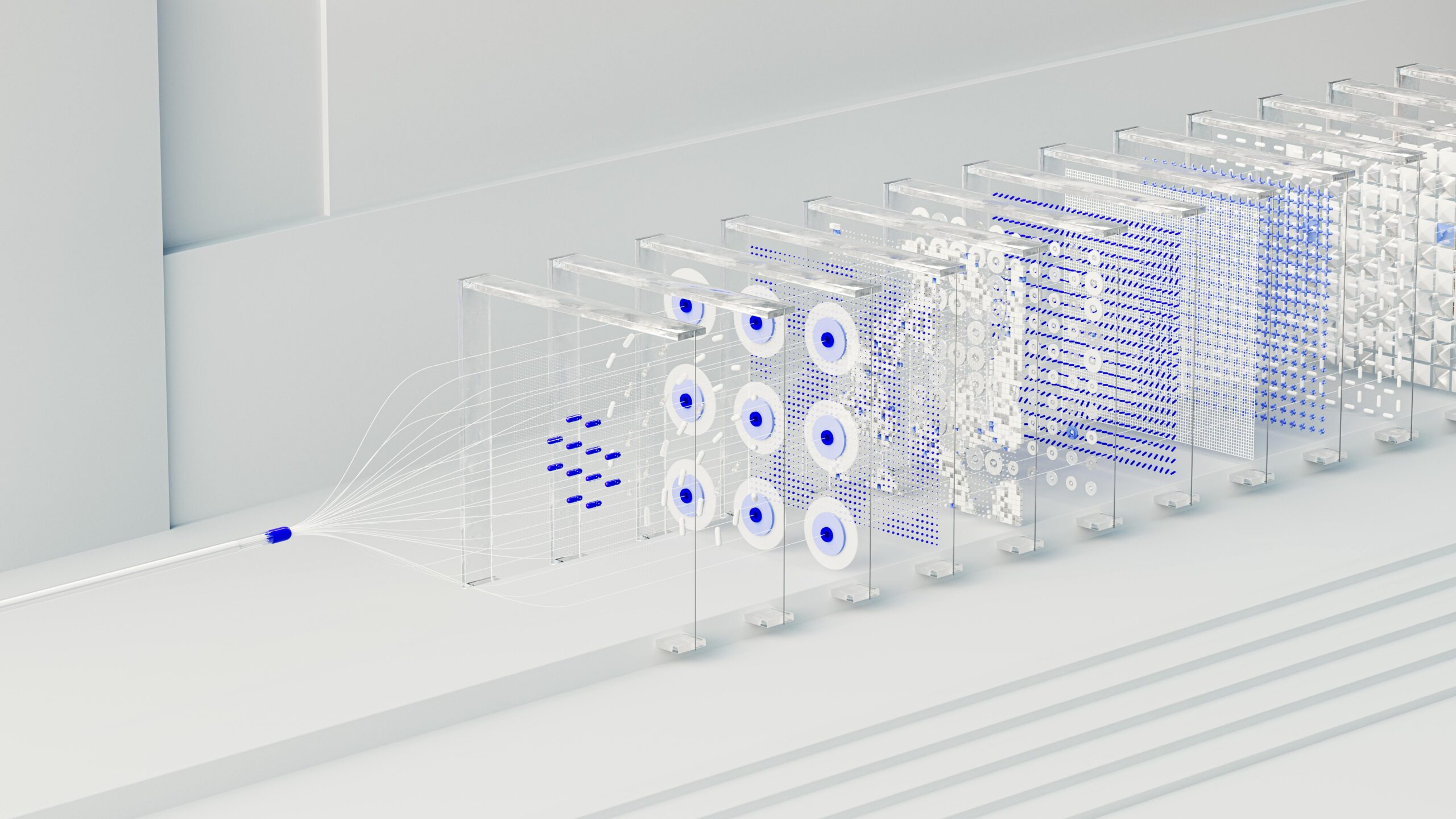
Modern wildlife monitoring has evolved dramatically, blending acoustic science with satellite technology to revolutionize how researchers track and study animal behavior across diverse ecosystems worldwide.

🌍 The Dawn of a New Era in Wildlife Monitoring
The convergence of bioacoustics tracking and GPS technology represents one of the most significant breakthroughs in conservation biology and wildlife research. These complementary tools have opened unprecedented windows into the secret lives of animals, from the deepest oceans to the highest mountain peaks. Where traditional observation methods once required countless hours of fieldwork with limited results, today’s researchers can gather comprehensive data continuously, even in the most remote and inaccessible locations.
The integration of these technologies isn’t merely about convenience—it’s about survival. As biodiversity faces unprecedented threats from climate change, habitat destruction, and human encroachment, understanding animal movements, communication patterns, and ecological relationships has become critically important. Scientists now possess tools that can track a migrating bird across continents while simultaneously recording its vocalizations, or monitor deep-sea whale populations without ever leaving shore.
🔊 Understanding Bioacoustics: Nature’s Hidden Symphony
Bioacoustics tracking represents the scientific study and monitoring of sound production and reception in animals. This field has transformed our understanding of how species communicate, navigate, hunt, and interact with their environments. Every chirp, whistle, roar, and click carries information—about territorial boundaries, mating readiness, predator warnings, or social hierarchies.
The technology behind bioacoustics monitoring has advanced remarkably. Modern recording devices can capture sounds across frequency ranges far beyond human hearing capabilities, from the infrasonic rumbles of elephants communicating across savannas to the ultrasonic echolocation of bats hunting insects. These devices can operate autonomously for months, weathering extreme conditions while continuously collecting acoustic data.
The Mechanics of Sound-Based Tracking
Bioacoustics monitoring systems typically employ strategically placed recording stations equipped with sensitive microphones and robust storage capabilities. These stations capture ambient soundscapes, creating acoustic libraries that researchers can analyze to identify species presence, estimate population densities, and monitor ecosystem health. Advanced algorithms and machine learning now enable automated species identification, dramatically reducing the time required to process vast amounts of acoustic data.
Passive acoustic monitoring offers several distinct advantages. It operates 24/7 without human presence, reducing disturbance to wildlife. It can detect cryptic or nocturnal species that visual surveys might miss. Additionally, archived recordings create permanent records that researchers can reanalyze as analytical techniques improve, making historical data increasingly valuable over time.
📡 GPS Technology: Mapping Movement Across the Globe
Global Positioning System technology has revolutionized wildlife tracking by providing precise location data with unprecedented accuracy. GPS-enabled tracking devices, now small enough to attach to animals ranging from butterflies to blue whales, transmit position coordinates that researchers can map and analyze to understand movement patterns, habitat use, and migration routes.
Modern GPS collars and tags have evolved significantly from their bulky predecessors. Today’s devices are lightweight, energy-efficient, and capable of storing or transmitting data via satellite or cellular networks. They can record not just location, but also environmental variables like temperature, depth (for marine species), and even the animal’s activity levels and physiological parameters.
The Technical Evolution of GPS Tracking
Contemporary GPS wildlife tracking systems incorporate multiple technologies. Solar panels extend battery life indefinitely in many cases. Accelerometers and gyroscopes add behavioral context to location data, distinguishing between resting, foraging, and traveling activities. Some advanced systems even include cameras or audio recorders, creating multimedia profiles of animal experiences.
The accuracy of GPS tracking continues to improve. While early systems might pinpoint an animal’s location within 10-50 meters, modern devices can achieve sub-meter precision under optimal conditions. This level of detail allows researchers to identify specific feeding sites, denning locations, or social gathering spots with remarkable precision.
⚖️ Comparing Strengths: When Each Technology Shines
Both bioacoustics and GPS tracking offer unique advantages, and understanding when to apply each approach—or combine them—is crucial for effective wildlife research and conservation management.
| Aspect | Bioacoustics Tracking | GPS Technology |
|---|---|---|
| Coverage Area | Fixed locations with detection radius | Individual animals tracked anywhere |
| Species Detection | Multiple species simultaneously | Single tagged individual |
| Installation Impact | Minimal—no animal handling | Requires capture and tagging |
| Data Type | Presence, behavior, communication | Location, movement, habitat use |
| Cost Efficiency | High for community monitoring | Expensive per individual |
| Long-term Viability | Permanent installations possible | Limited by battery and attachment |
Bioacoustics excels in monitoring entire ecosystems or communities. A single recording station can detect dozens of species, providing comprehensive biodiversity assessments. This approach is particularly valuable for monitoring cryptic species, assessing ecosystem health, or detecting invasive species early. It’s also non-invasive, avoiding the stress and risk associated with capturing and tagging animals.
GPS tracking, conversely, provides unparalleled insights into individual animal movements and space use. It reveals migration routes, home range sizes, and how animals respond to environmental changes or human disturbances. This individual-level data is essential for understanding species-specific needs, identifying critical habitats, and designing effective conservation corridors.
🔬 Synergistic Applications: The Best of Both Worlds
The most powerful insights often emerge when researchers combine bioacoustics and GPS technologies. This integrated approach creates multidimensional portraits of animal ecology that neither method could achieve independently.
Consider marine mammal research: GPS tags reveal where whales travel, while acoustic monitoring arrays detect their vocalizations across vast ocean areas. Together, these data streams illuminate how whales use different areas for different purposes—feeding grounds, breeding areas, or migration corridors—while also revealing how human noise pollution affects their communication and behavior.
Real-World Success Stories
In the Amazon rainforest, researchers have deployed acoustic monitoring networks alongside GPS-tagged jaguars. The acoustic data reveals prey abundance and distribution through bird and mammal vocalizations, while GPS tracks show how jaguars adjust their movements in response to these prey patterns. This combination provides insights impossible to obtain through either method alone.
Bird migration studies have similarly benefited from integrated approaches. GPS tags reveal precise migration routes and stopover locations, while acoustic monitoring at these sites documents which species use them, their arrival and departure timing, and how weather conditions influence their vocalizations and movement decisions.
🚧 Confronting the Limitations: Challenges and Constraints
Despite their transformative potential, both technologies face significant limitations that researchers must acknowledge and work to overcome.
Bioacoustics Challenges
- Detection Range Limitations: Sound propagation varies dramatically across environments. In dense forests, acoustic detection might extend only 50-100 meters, while in open oceans, whale calls can travel hundreds of kilometers. This variability complicates survey design and interpretation.
- Acoustic Complexity: Natural soundscapes contain overlapping vocalizations, background noise, and environmental sounds that can mask target signals or create false detections. Wind, rain, and human-generated noise further complicate analysis.
- Species Identification Challenges: While machine learning has improved automated identification, many species produce similar sounds, and individual variation within species can exceed differences between species. Silent or rarely vocalizing animals remain virtually undetectable.
- Data Processing Requirements: Acoustic monitoring generates enormous datasets. A single recorder operating for one year creates thousands of hours of audio requiring significant computational resources and expertise to analyze.
GPS Technology Constraints
- Capture and Attachment Requirements: GPS tracking requires capturing animals, which can be dangerous, stressful, or logistically impossible for many species. Tag attachment methods must balance security with animal welfare, and even well-designed tags can affect behavior.
- Size and Weight Restrictions: Despite miniaturization, GPS devices remain too large for many small animals. General guidelines suggest tags shouldn’t exceed 3-5% of an animal’s body weight, limiting applications for smaller species.
- Battery Life Limitations: GPS positioning and data transmission consume substantial power. Even with solar charging, battery life constrains tracking duration, particularly for animals in dense canopies or aquatic environments with limited sunlight exposure.
- Signal Obstruction: GPS accuracy degrades under dense vegetation canopy, in deep canyons, or underwater. Marine mammals diving deep may not acquire location fixes for hours or days, creating data gaps.
- Cost Considerations: GPS collars can cost hundreds to thousands of dollars per unit, limiting sample sizes and making large-scale studies prohibitively expensive for many research programs.
💡 Emerging Innovations: Pushing Technological Boundaries
The rapid pace of technological innovation continues to address existing limitations while opening new possibilities for wildlife monitoring.
Artificial intelligence and deep learning algorithms are revolutionizing acoustic data analysis. These systems can now identify species, individual animals, and behavioral states from vocalizations with increasing accuracy. Cloud-based processing enables real-time analysis of acoustic data streams, potentially enabling immediate responses to poaching events, illegal logging, or other conservation threats.
On the GPS front, researchers are developing increasingly sophisticated devices. Next-generation tags incorporate multiple sensors—accelerometers, magnetometers, temperature and pressure sensors—creating detailed behavioral profiles. Some experimental systems use animal-borne cameras that capture point-of-view footage, providing context for GPS location data.
The Internet of Wild Things
Perhaps the most exciting frontier involves connecting wildlife tracking into broader environmental monitoring networks. The emerging “Internet of Wild Things” envisions ecosystems instrumented with interconnected sensors—acoustic recorders, camera traps, weather stations, and GPS tags—all communicating through low-power networks to create comprehensive, real-time portraits of ecosystem dynamics.
Satellite technology improvements are particularly promising. New low-Earth orbit satellite constellations designed specifically for IoT applications enable more frequent, lower-power communication with wildlife tags. This could enable near-real-time tracking of animals anywhere on Earth while dramatically extending battery life.
🌱 Conservation Applications: From Data to Action
The ultimate value of these technologies lies in their conservation applications. Data alone saves no species—but when properly applied, these tools enable more effective, evidence-based conservation strategies.
Bioacoustics monitoring has proven particularly valuable for anti-poaching efforts. In African parks, acoustic networks detect gunshots and chainsaws, triggering immediate ranger responses. In rainforests, the same systems identify illegal logging or mining activity, enabling rapid intervention before extensive damage occurs.
GPS tracking informs protected area design by revealing how animals actually use landscapes. Traditional protected areas often fail because they don’t encompass critical seasonal habitats or movement corridors. GPS data identifies these essential areas, enabling more strategic conservation investments and land-use planning.
Addressing Human-Wildlife Conflict
Both technologies help mitigate human-wildlife conflict, one of conservation’s most persistent challenges. GPS collars on elephants, bears, or large carnivores enable early warning systems that alert communities when animals approach, preventing dangerous encounters and retaliatory killings. Acoustic monitoring can similarly detect approaching animals before they reach settlements or croplands.
🎯 Choosing the Right Tool: Decision-Making Framework
Researchers face critical decisions when designing monitoring programs. Several factors should guide technology selection:
- Research Objectives: What questions are you trying to answer? Population estimation and community composition suit acoustic methods, while individual movement and space use require GPS tracking.
- Target Species Characteristics: Consider body size, vocal behavior, habitat, and capture feasibility. Small, vocal, cryptic species favor acoustic approaches, while larger, mobile species may warrant GPS investment.
- Spatial Scale: Large-scale or landscape-level monitoring often benefits from fixed acoustic stations, while understanding detailed habitat selection requires GPS tracking.
- Resource Constraints: Budget, personnel expertise, and logistical capabilities significantly influence feasible approaches. Acoustic monitoring often provides better cost-effectiveness for multi-species assessments.
- Time Frame: Long-term monitoring programs benefit from permanent acoustic installations, while GPS studies typically operate over months to a few years per individual.
🔮 Looking Forward: The Future of Wildlife Monitoring
The trajectory of wildlife monitoring technology points toward increasing integration, miniaturization, and intelligence. We can anticipate GPS tags small enough for songbirds, acoustic systems that identify individual animals by voice, and AI systems that interpret complex behavioral patterns in real-time.
Citizen science integration represents another frontier. Smartphone apps already enable public contribution to acoustic monitoring and wildlife tracking data. As these tools become more sophisticated and accessible, they’ll democratize wildlife research while generating unprecedented data volumes.
Perhaps most importantly, these technologies are becoming essential tools for confronting the biodiversity crisis. As species decline accelerates and climate change reshapes ecosystems, our ability to monitor, understand, and protect wildlife depends increasingly on sophisticated technological approaches that maximize data collection while minimizing disturbance.
🌟 Harnessing Technology for Conservation Success
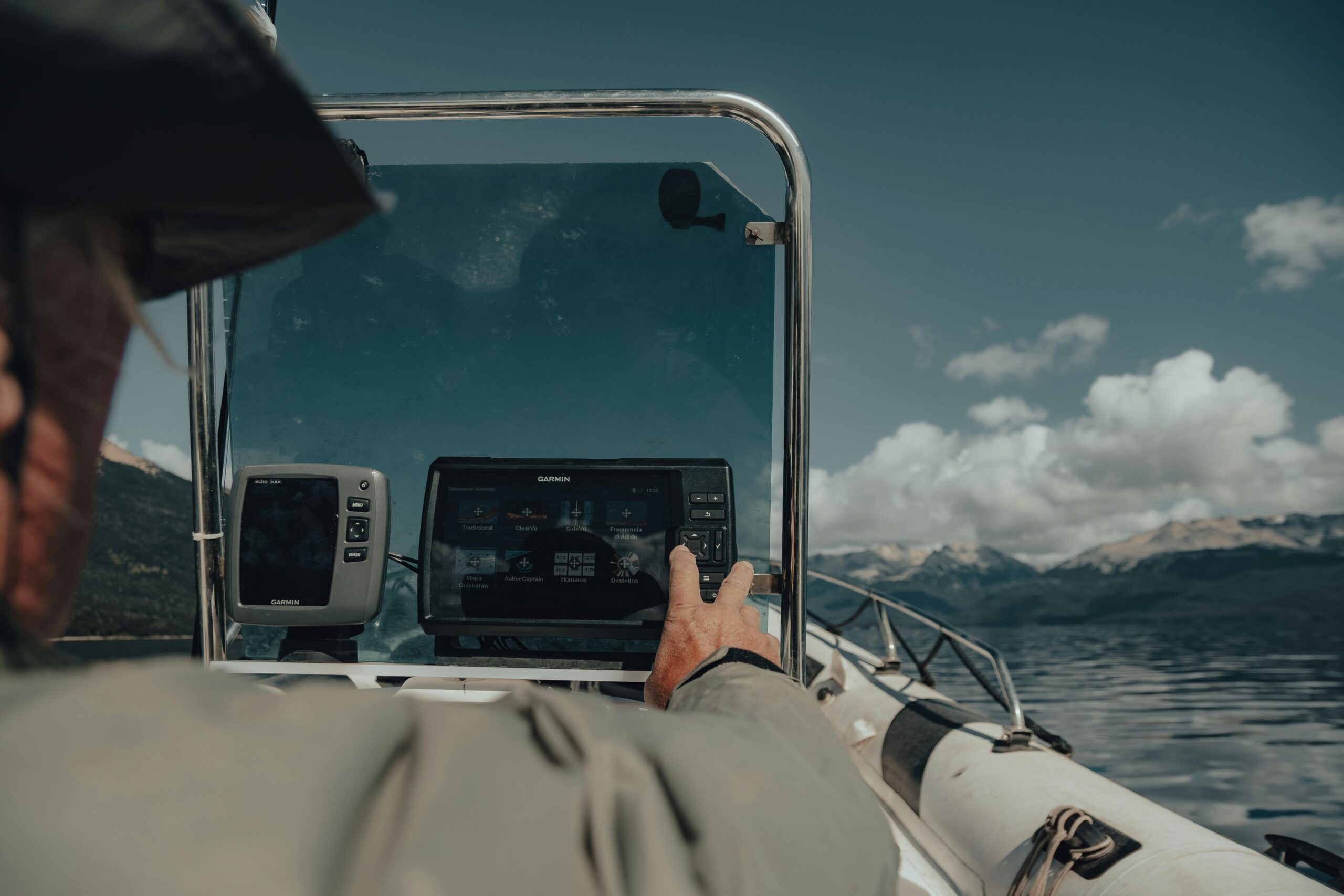
The power of bioacoustics tracking and GPS technology lies not in the devices themselves, but in how we apply them to answer critical questions and inform conservation action. Neither technology represents a perfect solution—each carries limitations and challenges that researchers must carefully navigate. Yet when thoughtfully applied, alone or in combination, these tools provide unprecedented insights into animal behavior, ecology, and conservation needs.
As technology continues evolving, the distinctions between different monitoring approaches may blur. Future systems might seamlessly integrate acoustic, visual, GPS, and environmental data into unified platforms that provide holistic ecosystem portraits. Such systems could detect changes in real-time, predict emerging threats, and enable proactive rather than reactive conservation management.
Success ultimately requires matching technological capabilities with ecological understanding, conservation objectives, and practical constraints. The most effective monitoring programs combine cutting-edge tools with deep natural history knowledge, engaging local communities while generating actionable insights. In this way, bioacoustics and GPS technology aren’t just measuring nature—they’re helping us protect it for future generations.