Invasive species threaten ecosystems worldwide, but innovative soundscape monitoring technology is revolutionizing how scientists detect, track, and manage these ecological disruptors in real-time.

🎵 The Symphony of Nature Meets Scientific Innovation
Our planet’s ecosystems produce a constant chorus of biological sounds—from bird songs echoing through forests to insect chirps in grasslands and whale calls beneath ocean waves. This natural symphony, known as a soundscape, contains invaluable information about ecosystem health, biodiversity, and the presence of species that don’t belong. Scientists are now harnessing cutting-edge acoustic monitoring technology to detect invasive species before they cause irreversible damage to native habitats.
Traditional methods of monitoring invasive species involve time-consuming visual surveys, labor-intensive trapping, and sporadic sampling that often misses critical detection windows. These conventional approaches are expensive, require extensive human resources, and frequently identify invasions only after populations have already established themselves. By the time boots-on-the-ground surveys confirm an invasion, the ecological damage may already be substantial and the cost of eradication astronomically high.
Soundscape monitoring represents a paradigm shift in conservation technology. By deploying networks of autonomous acoustic sensors across vulnerable ecosystems, researchers can continuously monitor vast areas with unprecedented efficiency. These devices listen around the clock, capturing every chirp, croak, buzz, and call within their range, creating comprehensive audio records that machine learning algorithms can analyze for signs of invasive species.
🔬 How Acoustic Monitoring Technology Actually Works
Modern acoustic monitoring systems consist of several integrated components working in harmony. Weather-resistant recording devices equipped with high-sensitivity microphones are strategically placed throughout target ecosystems. These units can operate continuously for weeks or months on solar power or long-lasting batteries, recording audio at frequencies ranging from infrasound to ultrasound—capturing sounds far beyond human hearing capabilities.
The recorded data is either stored locally on high-capacity memory cards or transmitted wirelessly to cloud-based servers for immediate analysis. Advanced systems can process audio in real-time, sending instant alerts when suspicious acoustic signatures are detected. This immediate notification capability allows rapid response teams to investigate potential invasions while populations are still small and manageable.
The true power of these systems lies in their analytical capabilities. Machine learning algorithms trained on thousands of hours of labeled audio recordings can identify species-specific vocalizations with remarkable accuracy. These artificial intelligence models learn to distinguish between native and invasive species calls, even accounting for variations in individual animals, environmental conditions, and background noise.
Key Components of Modern Soundscape Monitoring Systems
- Autonomous Recording Units (ARUs): Ruggedized devices capable of continuous field deployment in harsh environmental conditions
- High-fidelity Microphones: Capture broad frequency ranges to detect diverse species from insects to large mammals
- Data Storage Solutions: Local and cloud-based systems handling massive audio datasets
- Machine Learning Platforms: AI-powered analysis software that identifies species from acoustic signatures
- Alert Systems: Real-time notification networks that trigger rapid response protocols
- Visualization Dashboards: User-friendly interfaces displaying monitoring results and spatial distribution patterns
🐸 Success Stories: Invasive Species Caught by Sound
The practical applications of soundscape monitoring have already yielded impressive results across diverse ecosystems. In Hawaii, acoustic sensors successfully detected invasive coquí frogs—small amphibians native to Puerto Rico whose loud mating calls disrupt native ecosystems and disturb residents. The frogs’ distinctive two-note “co-kee” call makes them ideal candidates for acoustic detection, allowing authorities to locate and remove populations before they spread.
Australian researchers have deployed extensive acoustic monitoring networks to track invasive birds, particularly the common myna and spotted dove. These species outcompete native birds for nesting sites and food resources. By analyzing soundscapes across urban and rural areas, scientists mapped invasion fronts and predicted expansion patterns, enabling targeted management interventions.
In North American forests, acoustic monitoring helps detect emerald ash borers and Asian longhorned beetles—invasive insects causing billions of dollars in damage to timber industries. While the insects themselves are nearly silent, monitoring devices detect woodpecker activity patterns that intensify around infested trees, serving as acoustic indicators of invasion hotspots.
Marine Soundscape Monitoring: Protecting Underwater Ecosystems
Aquatic environments present unique monitoring challenges, but soundscape technology proves equally effective beneath the waves. Hydrophones deployed in coastal waters and freshwater systems detect invasive species like lionfish in Caribbean reefs and round gobies in the Great Lakes. These invasive fish produce distinctive sounds during feeding, movement, and reproduction that trained algorithms readily identify.
Researchers monitoring New Zealand waters use underwater acoustic arrays to track Mediterranean fanworms—invasive tube-dwelling creatures that smother native species and clog water infrastructure. The characteristic snapping sounds produced by these organisms feeding provide clear acoustic signatures that automated systems detect across large marine areas.
🤖 Artificial Intelligence: The Brain Behind the Ears
The volume of audio data generated by continuous soundscape monitoring would overwhelm human analysts. A single recording device operating 24/7 produces hundreds of gigabytes of data monthly—far too much for manual review. This is where artificial intelligence becomes indispensable, transforming raw audio into actionable ecological intelligence.
Deep learning neural networks, particularly convolutional neural networks (CNNs), excel at recognizing patterns in audio spectrograms—visual representations of sound frequencies over time. These models train on labeled datasets containing thousands of examples of target species vocalizations, learning to identify subtle acoustic features that distinguish invasive species from natives.
Transfer learning techniques allow researchers to adapt models trained on well-studied species to detect rare or newly emerging invasives with limited training data. This capability dramatically reduces the time and resources needed to develop monitoring systems for new threats as they arise.
Overcoming Acoustic Challenges with Smart Algorithms
Natural soundscapes are complex acoustic environments where multiple species vocalize simultaneously, wind rustles vegetation, rain patters on surfaces, and human activities generate noise pollution. Advanced algorithms incorporate noise reduction techniques, source separation methods, and contextual analysis to isolate target species calls from this cacophony.
Some systems employ anomaly detection approaches that learn the normal acoustic patterns of healthy ecosystems and flag unusual sounds that may indicate invasive species presence. This technique proves particularly valuable for detecting previously unknown invaders or species without extensive reference libraries.
📱 Citizen Science Apps: Empowering Community Monitoring
Professional monitoring networks provide comprehensive coverage, but engaging citizen scientists exponentially expands surveillance capabilities. Mobile applications now allow ordinary people to contribute to invasive species monitoring efforts using their smartphones as portable acoustic sensors.
These apps guide users through recording protocols, ensuring audio quality suitable for analysis. Sophisticated applications incorporate on-device machine learning models that provide instant species identification, giving users immediate feedback while simultaneously uploading recordings to central databases for expert verification and research purposes.
The crowdsourced data complements professional monitoring by filling spatial gaps, increasing temporal resolution, and detecting invasions in areas lacking permanent sensors. Community engagement also raises public awareness about invasive species threats and fosters stewardship of local ecosystems.
💡 Integrating Soundscape Data with Other Monitoring Technologies
While acoustic monitoring offers tremendous advantages, combining it with complementary technologies creates even more powerful surveillance systems. Camera traps triggered by acoustic detections provide visual confirmation of species identity and population counts. Environmental DNA (eDNA) sampling validates acoustic findings and detects silent invaders that leave genetic traces in water and soil.
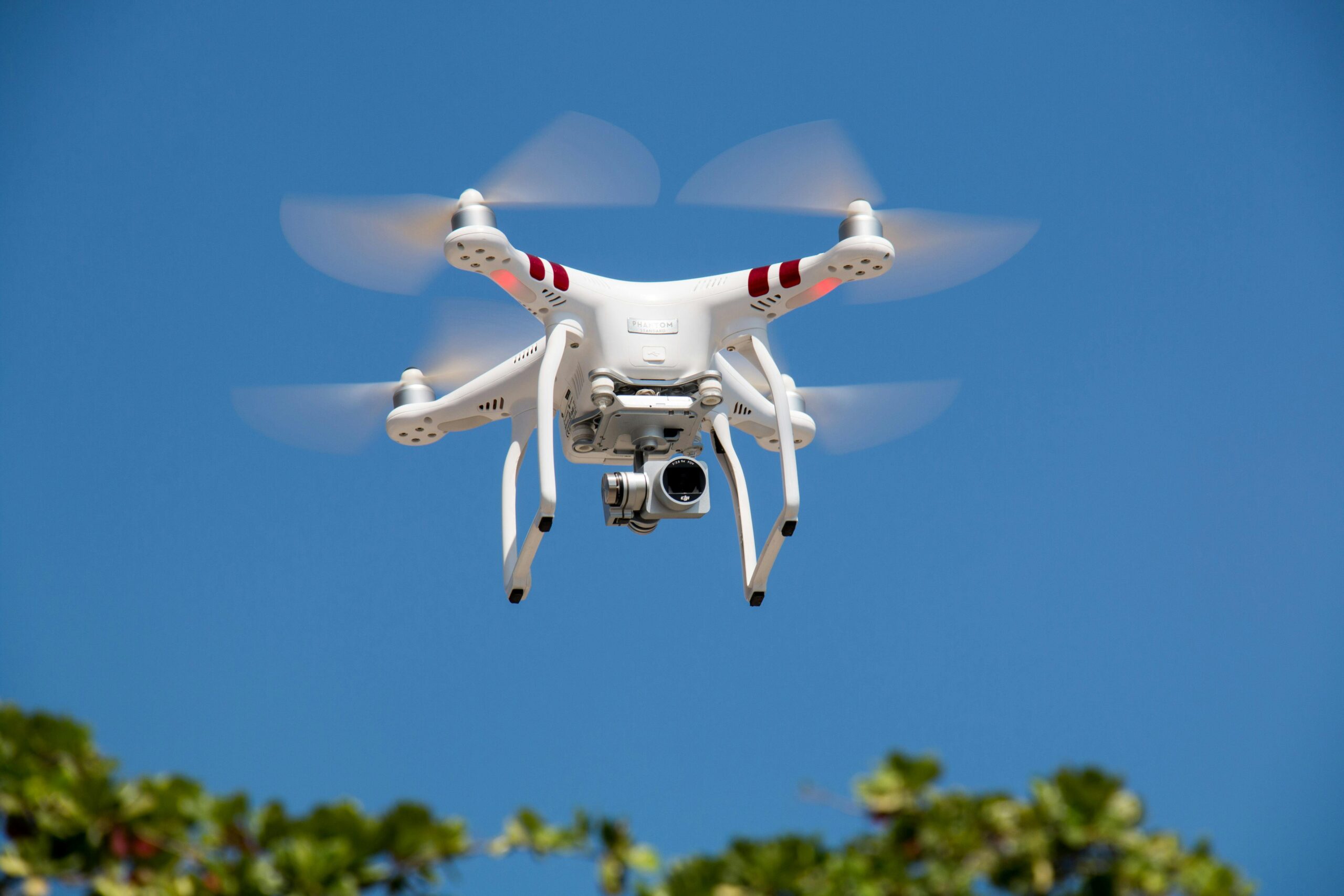
Satellite imagery and drone surveys identify habitat changes associated with invasions, while acoustic data pinpoints exactly where invasive populations concentrate within those altered landscapes. This multi-modal approach leverages the strengths of each technology while compensating for individual limitations.
| Monitoring Method | Strengths | Limitations | Best Applications |
|---|---|---|---|
| Acoustic Monitoring | Continuous, non-invasive, cost-effective | Limited to vocal species | Birds, amphibians, insects, marine mammals |
| Camera Traps | Visual confirmation, behavioral data | Requires animal movement, limited coverage | Mammals, some birds and reptiles |
| eDNA Sampling | Detects silent species, broad taxonomic range | Labor-intensive, no spatial precision | Aquatic species, cryptic organisms |
| Remote Sensing | Large spatial coverage, habitat assessment | No species-level identification | Vegetation changes, landscape-scale patterns |
🌍 Real-World Implementation: Building Effective Monitoring Networks
Successful soundscape monitoring programs require careful planning and strategic deployment. Site selection considers invasion risk factors, habitat characteristics, accessibility for maintenance, and existing monitoring gaps. High-priority areas include transportation corridors where invasive species frequently arrive, borders between invaded and uninvaded regions, and vulnerable ecosystems with high conservation value.
Sensor density depends on target species detection ranges, habitat complexity, and available resources. Dense networks in small critical areas provide intensive surveillance, while sparse networks across extensive landscapes offer broad early warning capabilities. Adaptive management approaches adjust deployment strategies based on initial findings and evolving invasion dynamics.
Maintenance protocols ensure long-term data quality through regular sensor calibration, battery replacement, and weatherproofing checks. Remote diagnostics capabilities identify technical issues before they compromise data collection, minimizing gaps in monitoring coverage.
Funding and Sustainability Considerations
While acoustic monitoring proves cost-effective compared to traditional methods, initial equipment investments and ongoing operational costs require sustainable funding models. Public-private partnerships, conservation grants, and government programs increasingly support these technologies as evidence of their effectiveness accumulates.
Some programs generate revenue through data services, providing acoustic monitoring expertise and analysis to land managers, agricultural operations, and infrastructure projects requiring environmental compliance documentation. This revenue helps subsidize conservation-focused monitoring in underfunded areas.
🚀 Future Frontiers: Where Soundscape Technology is Heading
Emerging technologies promise to make soundscape monitoring even more powerful and accessible. Miniaturization produces smaller, cheaper sensors that can be deployed in greater numbers and more locations. Solar-powered units with energy-efficient processors operate indefinitely without maintenance, enabling truly permanent monitoring installations.
Edge computing capabilities allow sophisticated AI models to run directly on recording devices, eliminating transmission delays and reducing bandwidth requirements. These smart sensors make autonomous decisions about what data to transmit, conserving energy and storage while ensuring critical detections receive immediate attention.
Integration with Internet of Things (IoT) networks creates interconnected monitoring ecosystems where sensors communicate with each other, sharing information about detection events and coordinating surveillance efforts. Swarm robotics principles applied to mobile acoustic sensors enable dynamic repositioning based on invasion patterns, concentrating monitoring resources where they’re most needed.
Predictive Modeling and Invasion Forecasting
As historical acoustic datasets accumulate, researchers develop predictive models that forecast invasion trajectories before they occur. Machine learning algorithms identify pre-invasion acoustic signatures—subtle changes in native species behavior and soundscape structure that precede actual invasive species arrivals. These early warning indicators enable proactive interventions that prevent establishments rather than merely responding to existing invasions.
Climate change modeling integrates with acoustic data to predict how shifting environmental conditions will alter invasion patterns, helping managers anticipate future threats and prepare appropriate responses. This forward-looking approach represents the evolution from reactive management to genuine prevention.
🛡️ Overcoming Challenges and Limitations
Despite tremendous potential, soundscape monitoring faces real-world challenges that researchers actively address. Privacy concerns arise when recording devices operate near human populations, requiring clear policies about data handling and public notification. Most programs address these concerns through frequency filtering that captures wildlife sounds while excluding human speech, and by placing sensors away from private properties.
Acoustic monitoring works best for vocal species that produce distinctive sounds, leaving silent invaders undetected. Combining acoustic methods with complementary technologies mitigates this limitation, creating comprehensive monitoring systems that detect both vocal and silent threats.
Data management presents ongoing challenges as monitoring networks generate petabytes of audio recordings. Cloud computing infrastructure and automated analysis pipelines handle this data deluge, but costs and technical complexity require specialized expertise and sustained investment.
🌟 The Sound Investment in Ecological Security
Economic analyses consistently demonstrate that preventing invasive species establishments costs far less than controlling established populations or repairing ecological damage. Acoustic monitoring enables early detection when eradication remains feasible and affordable, potentially saving millions in future management costs.
Beyond direct economic benefits, soundscape monitoring provides continuous biodiversity assessment, tracks ecosystem recovery following restoration efforts, and documents long-term environmental changes related to climate and land use. This multifunctionality makes acoustic sensors valuable tools for comprehensive environmental management programs.
The technology democratizes scientific monitoring, making sophisticated ecological surveillance accessible to small organizations and developing nations that lack resources for extensive fieldwork. As equipment costs decline and open-source software proliferates, soundscape monitoring becomes an increasingly equitable conservation tool available to all who need it.
🔊 Listening to Tomorrow’s Ecosystems Today
Soundscape monitoring technology represents more than just another conservation tool—it embodies a fundamental shift in how humanity relates to and protects the natural world. By learning to listen systematically to nature’s acoustic signatures, we gain unprecedented insights into ecosystem dynamics and our impacts upon them.
The same sensors detecting invasive species simultaneously document native biodiversity, creating acoustic archives that future generations will treasure as recordings of ecosystems that may dramatically change or disappear. These sound libraries serve scientific research, environmental education, and cultural preservation, multiplying the value of monitoring investments.
As invasive species threats intensify through globalization and climate change, acoustic monitoring provides scalable, cost-effective surveillance capabilities that can keep pace with accelerating invasion rates. The technology won’t solve the invasive species crisis alone, but it arms conservationists, land managers, and communities with powerful tools for protecting the ecological heritage we all share.
The future of ecosystem protection increasingly depends on our ability to monitor vast areas continuously and respond rapidly to emerging threats. Soundscape technology delivers these capabilities today, transforming how we detect, understand, and manage invasive species. By unlocking the power of natural soundscapes through cutting-edge acoustic monitoring, we’re writing a new chapter in conservation history—one where technology and nature work in harmony to preserve biodiversity for generations to come.