Soundscape research offers incredible insights into our acoustic environment, but sharing these findings effectively requires strategy, clarity, and the right presentation methods to reach both scientific and public audiences.

🎧 Understanding the True Value of Your Soundscape Data
Before diving into publication strategies, it’s essential to recognize what makes soundscape research valuable. Your recordings and analyses capture moments in time that may never repeat—urban transformations, seasonal wildlife patterns, or vanishing acoustic environments. These sonic fingerprints hold scientific, cultural, and ecological significance that extends far beyond raw data points.
Soundscape studies bridge multiple disciplines, from ecology and urban planning to psychology and cultural heritage. This interdisciplinary nature means your results can resonate with diverse audiences, but only if you present them appropriately. Understanding who needs your findings and why they matter determines how you should package and publish them.
The acoustic information you’ve gathered represents more than measurements; it’s a narrative about place, time, and environmental conditions. Successful publication transforms technical data into compelling stories that inform policy, inspire conservation efforts, or advance scientific understanding of acoustic ecology.
📊 Preparing Your Data for Maximum Impact
Raw soundscape data rarely speaks for itself. Effective preparation involves organizing recordings, standardizing metadata, and creating visualizations that make patterns immediately apparent. Start by ensuring all recordings include complete contextual information—location coordinates, time stamps, weather conditions, and equipment specifications.
Data visualization transforms complex acoustic measurements into accessible insights. Spectrograms reveal frequency patterns over time, while sound level maps show spatial distribution of acoustic energy. Consider creating multiple visualization types to serve different audience needs—technical spectrograms for researchers, simplified graphics for policymakers, and engaging audio-visual combinations for public outreach.
Quality control deserves significant attention before publication. Review recordings for technical issues, verify calibration data, and document any anomalies or limitations in your dataset. Transparency about methodology and data quality builds credibility and allows others to properly interpret your findings.
Essential Metadata Components
Comprehensive metadata ensures your soundscape results remain useful and interpretable long after initial publication. Include recording device specifications, microphone sensitivity, sampling rates, and any post-processing applied. Geographic coordinates should be precise enough for replication studies while respecting privacy concerns for sensitive locations.
Temporal metadata extends beyond simple date stamps. Document lunar phases for nocturnal recordings, seasonal context, and any relevant events that might influence acoustic conditions. This contextual richness allows future researchers to understand your data within broader environmental patterns.
🎯 Choosing the Right Publication Platforms
Publication venue dramatically affects who encounters your work and how they use it. Academic journals provide peer validation and reach research communities, while open-access repositories maximize accessibility. Consider multi-platform strategies that serve different stakeholder groups simultaneously.
Traditional scientific journals remain essential for career advancement and establishing methodological rigor. Target journals aligned with your research focus—whether urban ecology, bioacoustics, environmental monitoring, or acoustic ecology. Review recent publications to understand editorial preferences and formatting requirements before submission.
Open data repositories like Zenodo, Dryad, or specialized acoustic databases ensure long-term accessibility and citability. These platforms provide DOIs for datasets, making your soundscape recordings citable research objects independent of traditional publications. This approach supports reproducibility and enables meta-analyses across multiple studies.
Digital Platforms for Broader Engagement
Beyond traditional academic channels, digital platforms expand your reach to practitioners, policymakers, and engaged citizens. Soundcloud and similar audio platforms allow direct sharing of representative recordings with descriptive annotations. Create curated playlists that tell stories about specific locations or acoustic phenomena.
Interactive web platforms enable dynamic exploration of soundscape data. Tools like AudioSet or custom web applications let users filter by location, time, or acoustic characteristics. These interfaces transform passive consumption into active exploration, increasing engagement and understanding.
Social media channels serve specific communication goals when used strategically. Short audio clips paired with striking spectrograms capture attention, while threads or posts provide context and direct interested parties to full publications. Platform-specific strategies maximize visibility—Instagram for visual spectrograms, Twitter for research announcements, and YouTube for longer explanatory content.
🔊 Crafting Compelling Narratives from Acoustic Data
Numbers alone rarely inspire action or change understanding. Effective soundscape publication weaves data into narratives that resonate emotionally while remaining scientifically rigorous. Frame findings within broader environmental stories—how urbanization affects bird populations, how noise pollution impacts community well-being, or how acoustic monitoring reveals ecosystem health.
Structure your publications around clear questions and discoveries. Lead with the most significant findings, provide sufficient methodological detail for replication, and discuss implications explicitly. Avoid jargon when simpler language communicates effectively, but maintain technical precision where it matters.
Comparative frameworks help audiences understand significance. Juxtapose urban and natural soundscapes, compare seasonal variations, or contrast protected areas with developed regions. These comparisons provide context that makes abstract measurements concrete and meaningful.
Incorporating Audio Examples Strategically
While spectrograms and metrics provide analysis, actual audio examples create visceral understanding. Select representative clips that illustrate key findings—the intrusion of traffic noise into natural areas, the complexity of dawn chorus, or the acoustic signature of specific species or activities.
Edit audio examples for clarity without misrepresenting reality. Time compression can reveal patterns invisible in real-time listening, while spatial positioning in stereo or binaural formats enhances immersion. Always document any processing applied and provide both processed and raw versions when possible.
Consider creating audio supplements to traditional publications. These companion files transform static papers into multimedia experiences that engage different learning modalities. Journals increasingly support supplementary audio files, recognizing their value for acoustic research.
📱 Leveraging Technology for Data Collection and Sharing
Modern technology democratizes soundscape research and publication. Smartphone applications enable widespread participation in acoustic monitoring, while specialized recording equipment captures research-grade data. Choosing appropriate tools depends on research goals, budget, and technical requirements.
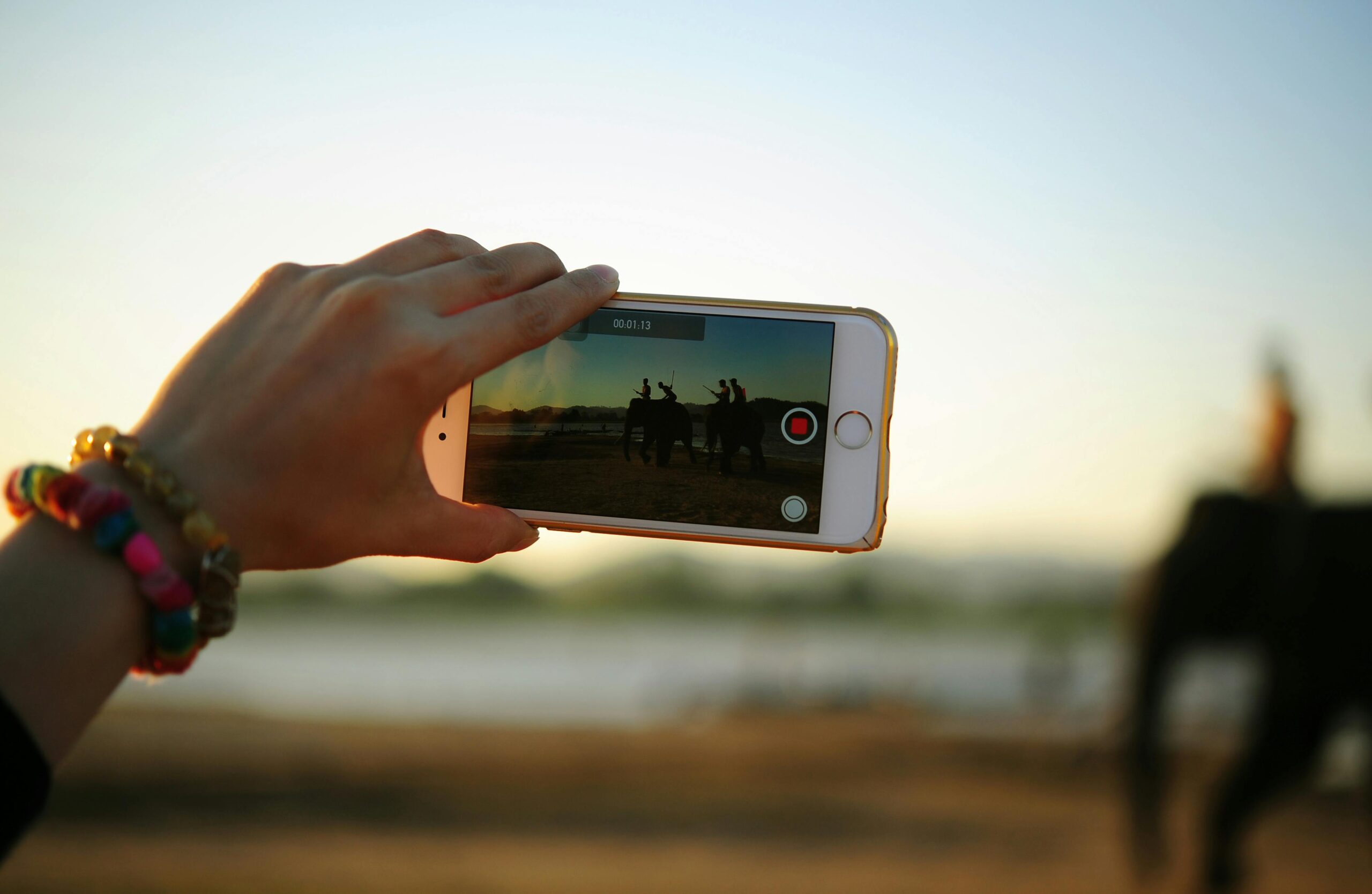
Mobile recording applications transform phones into capable field recorders. Apps like these provide timestamped, geotagged recordings suitable for many soundscape applications, though limitations in microphone quality and dynamic range require acknowledgment.
Dedicated acoustic monitoring equipment offers superior specifications for research requiring calibrated measurements. Autonomous recording units enable long-term deployment in remote locations, capturing temporal patterns impossible through manual recording. Document equipment specifications thoroughly in publications to ensure data interpretability.
Cloud-based platforms facilitate collaboration and data sharing across research teams. Centralized storage with version control prevents data loss and maintains organization throughout analysis and publication processes. Consider platforms with built-in analysis tools that streamline workflows from recording to visualization.
🌍 Making Your Research Accessible Across Languages and Cultures
Soundscape research often addresses global phenomena or holds relevance beyond regional boundaries. Maximizing impact requires consideration of linguistic and cultural contexts that shape how audiences receive your findings.
While English dominates scientific publishing, translating abstracts, key findings, or entire papers into relevant local languages expands accessibility. Collaborate with native speakers to ensure translations capture technical precision and cultural nuance. This investment multiplies potential impact, especially for research with policy implications.
Visual communication transcends language barriers. Invest in clear, well-designed graphics that convey core findings without requiring extensive text interpretation. International symbol systems and color conventions enhance cross-cultural comprehension.
Cultural perspectives on sound and noise vary significantly. What constitutes pleasant soundscape in one culture may differ dramatically in another. Acknowledge these variations explicitly when publishing research with cultural dimensions, avoiding assumptions about universal acoustic preferences.
📈 Optimizing Publications for Search and Discovery
Even excellent research remains invisible without discoverability. Search engine optimization principles apply equally to academic and public-facing soundscape publications. Strategic keyword use, clear structure, and appropriate metadata ensure interested parties find your work.
Title and abstract optimization balances specificity with searchability. Include key geographic locations, species names, or acoustic phenomena while maintaining scientific clarity. Think about search terms potential readers might use—both specialist terminology and broader environmental descriptors.
Metadata fields in repositories and journal submissions directly affect discoverability. Complete all available fields thoughtfully, using standardized vocabulary where it exists. Subject classifications, keywords, and geographic descriptors all contribute to search visibility.
Persistent identifiers like DOIs and ORCIDs connect your publications across platforms and ensure proper attribution. These digital infrastructure elements seem minor but significantly affect long-term discoverability and citation tracking.
Building Your Research Presence Online
Establishing an online presence amplifies individual publications. Professional websites showcase your complete body of soundscape work, providing context and connections between related projects. Include downloadable resources, audio samples, and clear contact information for collaboration inquiries.
Academic social networks like ResearchGate and Academia.edu extend reach within research communities. Regular updates about new publications, datasets, or methodological developments keep your work visible to colleagues and potential collaborators.
Email lists and research networks enable direct communication with interested parties. Building a distribution list of colleagues, practitioners, and organizations interested in your work ensures new publications reach receptive audiences immediately upon release.
🤝 Engaging Stakeholders Beyond the Research Community
Soundscape research often holds practical implications for urban planning, conservation management, or public health policy. Translating findings into formats that serve decision-makers maximizes real-world impact beyond academic citations.
Policy briefs distill research into actionable recommendations supported by evidence. These concise documents emphasize implications over methodology, presenting findings in language accessible to non-specialists. Visual summaries and clear recommendations increase likelihood of policy uptake.
Direct engagement with management agencies and planning departments creates opportunities for research application. Presentations at professional conferences, workshops for practitioners, or consultation relationships ensure your soundscape expertise informs decisions.
Community engagement transforms affected populations from research subjects into active participants. Public presentations, citizen science projects, or collaborative monitoring programs build support for acoustic management while enriching research perspectives.
💡 Innovating Publication Formats for Acoustic Research
Traditional static publications poorly represent dynamic acoustic phenomena. Emerging formats better capture soundscape complexity while engaging diverse audiences through interactive experiences.
Podcasts and audio essays provide natural media for discussing soundscape research. These formats allow direct audio examples integrated with narrative explanation, creating immersive experiences that static papers cannot match. Consider podcast series exploring different aspects of your research or specific acoustic environments.
Virtual reality and spatial audio technologies create unprecedented opportunities for soundscape presentation. Binaural recordings combined with 360-degree video transport audiences directly into acoustic environments, building empathy and understanding impossible through description alone.
Data sonification transforms measurements into sound, making patterns audible rather than merely visible. This technique particularly suits temporal data, revealing daily or seasonal patterns through listening experiences that complement visual analysis.
🎓 Teaching Through Your Published Soundscape Work
Published soundscape research serves educational purposes extending far beyond original audiences. Designing publications with pedagogical value multiplies impact through classroom use and public education initiatives.
Include methodological detail sufficient for replication by students or emerging researchers. Clear equipment descriptions, processing workflows, and analysis approaches transform publications into teaching resources that advance field-wide capacity.
Supplementary materials designed for educational use expand publication value. Lesson plans, classroom activities, or guided listening exercises based on your research enable educators to incorporate real soundscape science into curricula.
Case study formats make research particularly accessible for teaching purposes. Structuring publications around specific questions, methodological decisions, and outcomes provides models for students learning research processes.
🔬 Maintaining Scientific Rigor While Reaching Broader Audiences
Tension between accessibility and technical precision challenges soundscape publication strategies. Successfully balancing these demands requires careful writing, appropriate venue selection, and sometimes multiple publication versions serving different purposes.
Layered communication approaches provide entry points for various expertise levels. Opening sections establish context and significance in accessible language, while methods and results sections maintain technical detail for specialist readers. Supplementary materials can house additional technical information without overwhelming general readers.
Collaborative writing teams balance expertise and communication skills. Partnering with science communicators, journalists, or graphic designers enhances publication quality beyond what individual researchers typically achieve alone.
Peer review processes validate scientific claims while potentially improving accessibility. Reviewer feedback often identifies unclear explanations or unjustified assumptions, strengthening publications through revision.
🚀 Measuring and Amplifying Your Publication Impact
Understanding how audiences engage with published soundscape research enables strategic refinement of communication approaches. Impact assessment extends beyond citation counts to include policy influence, media coverage, and public engagement.
Traditional metrics like citation counts and h-index measure academic impact but miss broader influence. Alternative metrics track social media mentions, policy document citations, and media coverage, revealing research influence beyond academia.
Tracking dataset downloads and reuse demonstrates research utility. When other researchers build upon your soundscape data, it validates methodological choices and extends impact beyond original publications.
Direct feedback from diverse stakeholders provides qualitative impact assessment. Conversations with policymakers, land managers, or community members reveal how research influences thinking and decisions in ways quantitative metrics cannot capture.

🌟 Sustaining Momentum Through Strategic Publication Planning
Single publications rarely achieve maximum potential impact. Strategic planning creates publication series that build audience, establish expertise, and systematically advance understanding of soundscape questions over time.
Staged publication strategies extract full value from major research efforts. Initial papers establish methodology and present core findings, while subsequent publications explore specific aspects, compare contexts, or synthesize across studies. This approach maintains visibility while thoroughly exploring research dimensions.
Collaboration networks multiply publication opportunities and strengthen findings through complementary expertise. Multi-author papers combining acoustic, ecological, and social science perspectives provide comprehensive understanding impossible through single-discipline approaches.
Long-term monitoring programs generate publication opportunities across years or decades as datasets accumulate. Planning publication timelines around meaningful temporal intervals ensures steady output while allowing patterns to emerge from sustained observation.
Publishing soundscape research effectively requires balancing scientific rigor with accessibility, choosing appropriate platforms for different audiences, and crafting narratives that transform data into meaningful insights. By thoughtfully preparing materials, leveraging technology, and strategically engaging diverse stakeholders, researchers unlock the full power of acoustic information to inform understanding, guide policy, and inspire conservation of our sonic environment.