Audio storytelling is emerging as one of the most powerful tools for conservation organizations to connect with audiences, inspire action, and build lasting emotional connections with wildlife and natural spaces.

🎙️ The Renaissance of Audio in the Digital Age
We’re living through a golden age of audio content. Podcasts, audiobooks, and audio documentaries have exploded in popularity, with millions of people tuning in daily during commutes, workouts, and quiet moments at home. This audio revolution presents an unprecedented opportunity for conservation communicators to reach audiences in intimate, meaningful ways.
Unlike visual media that demands our full attention, audio storytelling seamlessly integrates into daily life. Conservation messages delivered through compelling narratives can reach listeners while they’re jogging through their local park, cooking dinner, or traveling to work. This accessibility makes audio an ideal medium for organizations seeking to expand their outreach beyond traditional nature documentary viewers.
The intimacy of audio creates a unique psychological connection. When we listen to someone speak directly into our ears through headphones, our brains process it similarly to a personal conversation. This perceived intimacy builds trust and emotional investment in ways that text or even video sometimes cannot achieve.
Why Conservation Needs Better Stories
Conservation has traditionally relied on scientific reports, infographics, and documentary footage to communicate its message. While these approaches have value, they often fail to create the emotional resonance needed to inspire lasting behavioral change. Facts and figures inform, but stories transform.
Research consistently shows that narrative storytelling activates multiple areas of the brain, including those responsible for emotion, memory, and personal connection. When we hear a story about a specific elephant family struggling through drought, our brains don’t just process information—they simulate the experience, creating empathy and understanding that bare statistics cannot achieve.
Audio storytelling specifically allows conservationists to transport listeners directly into wild spaces. The rustle of leaves, the call of distant birds, the crunch of footsteps on a forest trail—these soundscapes create immersive experiences that connect urban audiences with ecosystems they may never physically visit.
🌿 Crafting Compelling Conservation Narratives
Creating effective audio stories for conservation requires more than just pressing record. The most impactful narratives follow principles that professional storytellers have refined over decades.
Start With Character, Not Cause
The most common mistake in conservation communication is leading with the problem rather than the protagonist. Instead of beginning with “Rainforests are disappearing at alarming rates,” start with Dr. Maria Santos, who has spent twenty years tracking jaguar populations through increasingly fragmented forests. Let audiences meet the character first, build connection, then understand the conservation challenge through their eyes.
Characters don’t always need to be human. Some of the most powerful conservation stories center on individual animals—the elephant matriarch leading her family to water, the sea turtle returning to her nesting beach, the wolf establishing territory in recovered wilderness. These animal protagonists help audiences see wildlife as individuals with agency, families, and struggles rather than abstract populations.
Build Narrative Arc and Tension
Conservation stories need structure. A beginning that establishes the world and introduces characters. Rising action that presents challenges and obstacles. A climax where something changes or is decided. And a resolution that shows impact while often gesturing toward ongoing work.
Tension doesn’t require manufactured drama. The inherent uncertainty of conservation work—Will the breeding program succeed? Can the community and wildlife coexist? Will funding come through in time?—provides authentic stakes that keep listeners engaged.
Balance Hope and Urgency
The tone of conservation storytelling requires careful calibration. Too much doom and gloom creates paralysis and despair. Too much optimism seems naive and fails to convey the genuine urgency of environmental challenges. The most effective audio stories acknowledge difficulties while highlighting human agency and successful interventions.
Stories of small victories—a village that reduced human-wildlife conflict, a species brought back from the brink, a damaged ecosystem showing signs of recovery—provide templates for action rather than just warnings of catastrophe.
Technical Considerations for Conservation Audio
Quality audio production doesn’t necessarily require expensive equipment, but it does demand attention to fundamental technical principles that separate amateur recordings from professional content.
Field Recording Essentials
Capturing compelling audio in wild spaces presents unique challenges. Wind noise, distant traffic, and unexpected animal calls can derail recordings. Successful field recordists invest in good windscreens, learn to position themselves strategically relative to sound sources, and embrace rather than fight ambient soundscapes.
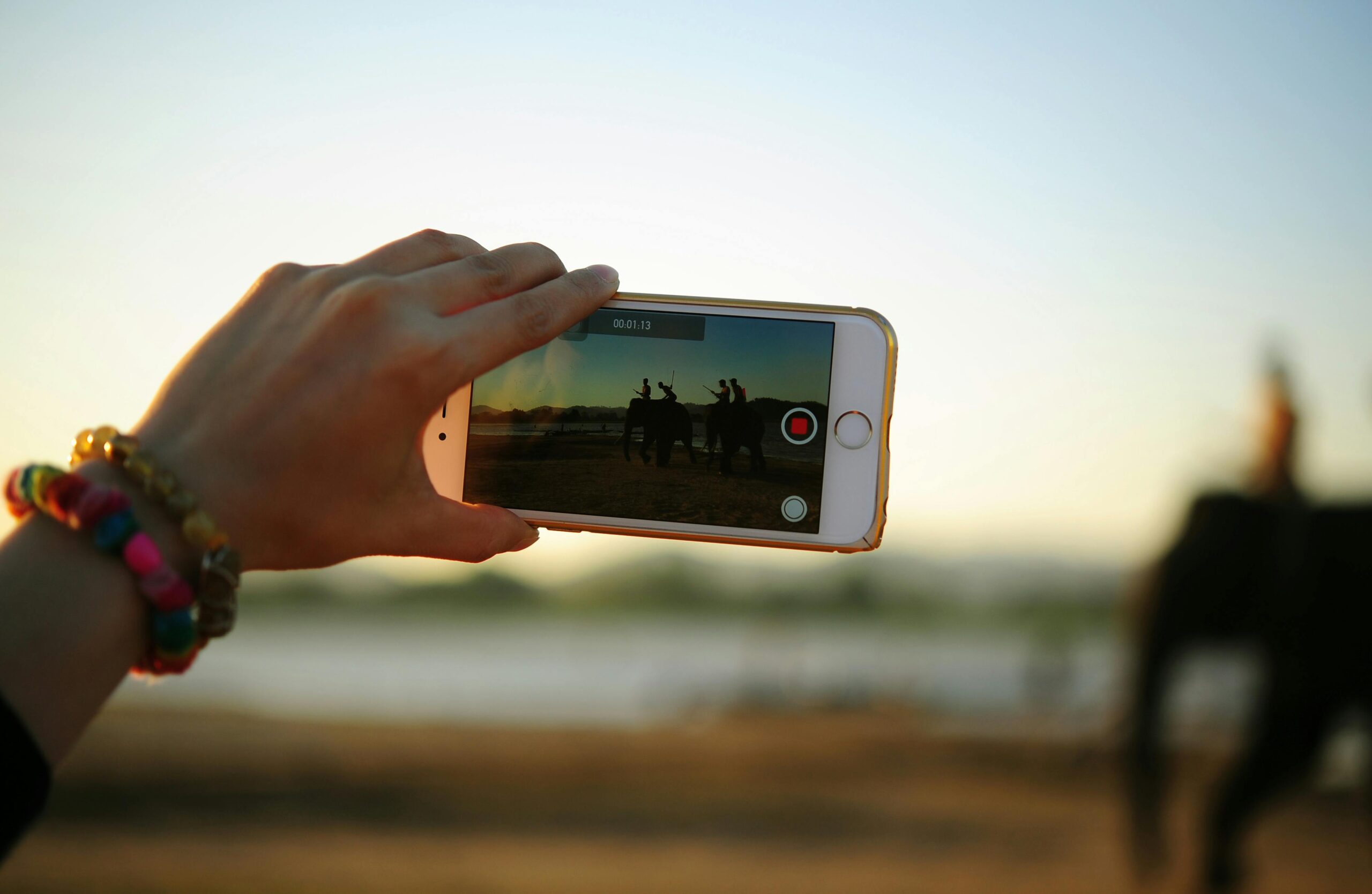
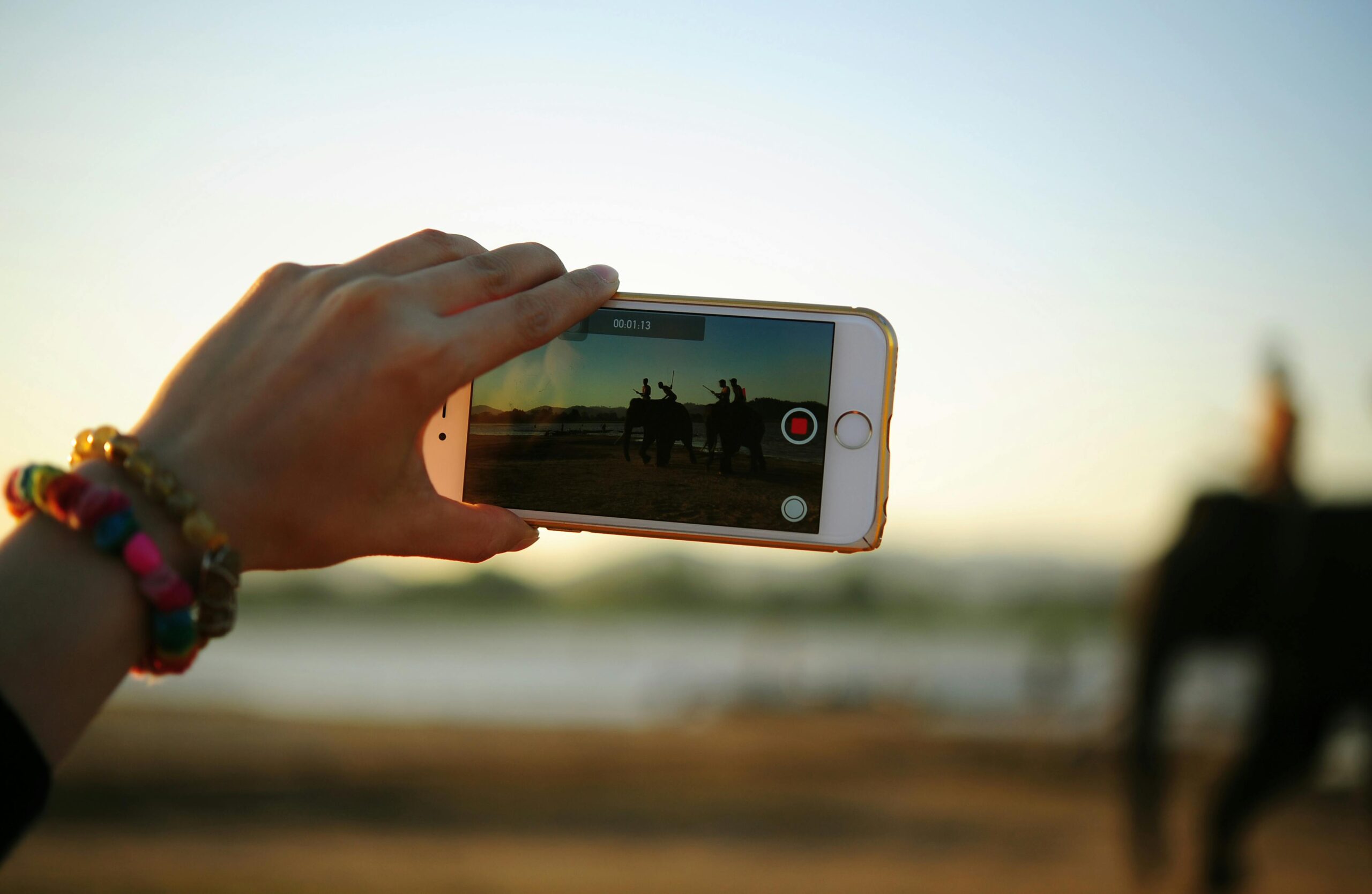
Modern smartphones can capture surprisingly good audio with the right accessories. External microphones designed for mobile devices dramatically improve quality over built-in mics, making field recording accessible even for organizations with limited budgets.
Sound Design and Atmosphere
The sounds of nature aren’t just background—they’re characters in conservation stories. The dawn chorus in a restored wetland, the silence of a degraded forest compared to a healthy one, the return of insect sounds after pesticide reduction—these audio elements communicate ecological health and change in visceral ways.
Effective sound design layers these natural soundscapes with voice narration, sometimes music, and strategic silence. Moments without sound can be powerful, giving listeners time to absorb information and reflect on what they’ve heard.
🎧 Distribution Strategies for Maximum Impact
Creating excellent content means nothing if audiences never discover it. Conservation organizations need strategic distribution approaches that meet listeners where they already are.
Podcast Platforms and RSS Feeds
Establishing a presence on major podcast platforms—Apple Podcasts, Spotify, Google Podcasts—ensures discoverability. RSS feeds allow audiences to subscribe and automatically receive new episodes, building a consistent listener base over time.
Consistent release schedules matter more than frequent publishing. A monthly podcast released reliably builds more audience loyalty than sporadic content, even if the latter produces more total hours of audio.
Social Media Audio Features
Social platforms increasingly support native audio features. Twitter Spaces, Facebook Live Audio Rooms, and Instagram audio posts allow conservation organizations to reach existing followers with voice content without requiring them to switch platforms.
Short audio clips—powerful quotes, intriguing soundscapes, story teasers—work effectively as social media content that drives traffic to longer-form audio projects.
Partnerships and Cross-Promotion
Collaborating with established podcasts expands reach dramatically. A conservation scientist interviewed on a popular science podcast, a field story featured on a travel show, or a partnership with education-focused audio programs introduces conservation narratives to audiences who might never seek them out independently.
Measuring Impact Beyond Downloads
Download numbers tell only part of the story. Conservation organizations need to track metrics that actually indicate whether audio content advances their mission.
Completion rates reveal whether listeners stay engaged throughout episodes. High drop-off rates suggest content needs restructuring—perhaps episodes are too long, openings aren’t compelling enough, or narratives lose momentum midway through.
Listener surveys provide qualitative feedback that numbers cannot. Did the story change how someone thinks about conservation? Did it inspire a specific action—donation, volunteer work, behavior change? These outcomes matter more than raw listener counts.
Website traffic, social media engagement, and email list growth following specific episodes help organizations understand which stories resonate most powerfully and should inform future content planning.
🦜 Case Studies: Audio Conservation Success Stories
Bringing Remote Ecosystems to Global Audiences
The Birdsong Project created audio postcards from threatened ecosystems worldwide, pairing field recordings of endangered birds with short narrative context about their habitats and conservation status. These three-to-five-minute pieces proved highly shareable on social media and introduced thousands of listeners to species and places they’d never encountered.
Indigenous Voices and Traditional Knowledge
Several conservation organizations have partnered with indigenous communities to produce audio stories narrated by traditional knowledge holders in their own languages, with translations provided. These projects honor indigenous conservation leadership while educating broader audiences about time-tested sustainable practices and the inextricable links between cultural and biological diversity.
Citizen Science Through Sound
Audio projects that invite listener participation create especially strong engagement. Some organizations have asked audiences to record and submit sounds from their local environments, building acoustic databases while connecting urban and suburban residents more attentively with nearby nature.
Overcoming Common Challenges
Conservation organizations venturing into audio storytelling typically encounter predictable obstacles. Anticipating these challenges allows for proactive solutions.
Limited Production Capacity
Most conservation groups lack in-house audio production expertise. Solutions include partnering with journalism schools where students need real-world projects, hiring freelance producers for specific series, or investing in training for existing communications staff. The learning curve for basic audio editing has shortened considerably with intuitive modern software.
Sustaining Content Production
Initial enthusiasm often fades when teams realize the ongoing effort required to maintain regular content. Starting with a limited series—six to eight episodes with a defined endpoint—proves more manageable than an open-ended commitment. Success with a pilot series builds momentum and justifies resource allocation for future seasons.
Balancing Scientific Accuracy and Accessibility
Conservation work involves complex science that resists oversimplification. Effective audio storytelling finds creative ways to explain necessary concepts without overwhelming or boring audiences. Analogies, specific examples, and breaking information into digestible chunks help maintain both accuracy and accessibility.
🌍 The Future of Audio in Conservation Communication
Emerging technologies promise to expand what’s possible with conservation audio storytelling. Spatial audio creates three-dimensional soundscapes that increase immersion. AI-powered translation could make conservation stories accessible across language barriers in near real-time. Interactive audio experiences might allow listeners to make choices that affect narrative outcomes, increasing engagement and learning.
The fundamental power of audio storytelling, however, remains timeless. Voice, narrative, and sound will continue connecting humans emotionally to the natural world and inspiring the empathy necessary for meaningful conservation action.
Taking the First Steps Into Audio Storytelling
Conservation organizations don’t need perfect plans or professional studios to begin. Start by identifying your most compelling stories—the unexpected moment in the field, the community whose relationship with wildlife is changing, the species whose recovery defies odds.
Record conversations with the people at the heart of these stories. Capture the sounds of the places where conservation happens. Edit these raw materials into short pieces—even just three to five minutes—and share them on your existing platforms. Observe what resonates with your audience and iterate from there.
Audio storytelling for conservation isn’t about having the biggest budget or most sophisticated equipment. It’s about recognizing that behind every conservation challenge and success are humans and other species whose stories deserve to be heard, and that those stories, told well, have power to change hearts and minds.
The wild places we’re working to protect have their own voices—wind through ancient trees, water flowing over stones, animals calling across landscapes. By amplifying these voices through thoughtful audio storytelling, conservation communicators can help more people understand what’s at stake and why it matters. In an increasingly noisy world, these wild tales might be exactly what audiences need to hear.