
Streamlining Success: Automatic vs. Manual Annotation
In today’s data-driven landscape, organizations face a critical decision: balancing automatic and manual annotation methods to optimize workflows while maintaining quality

In today’s data-driven landscape, organizations face a critical decision: balancing automatic and manual annotation methods to optimize workflows while maintaining quality
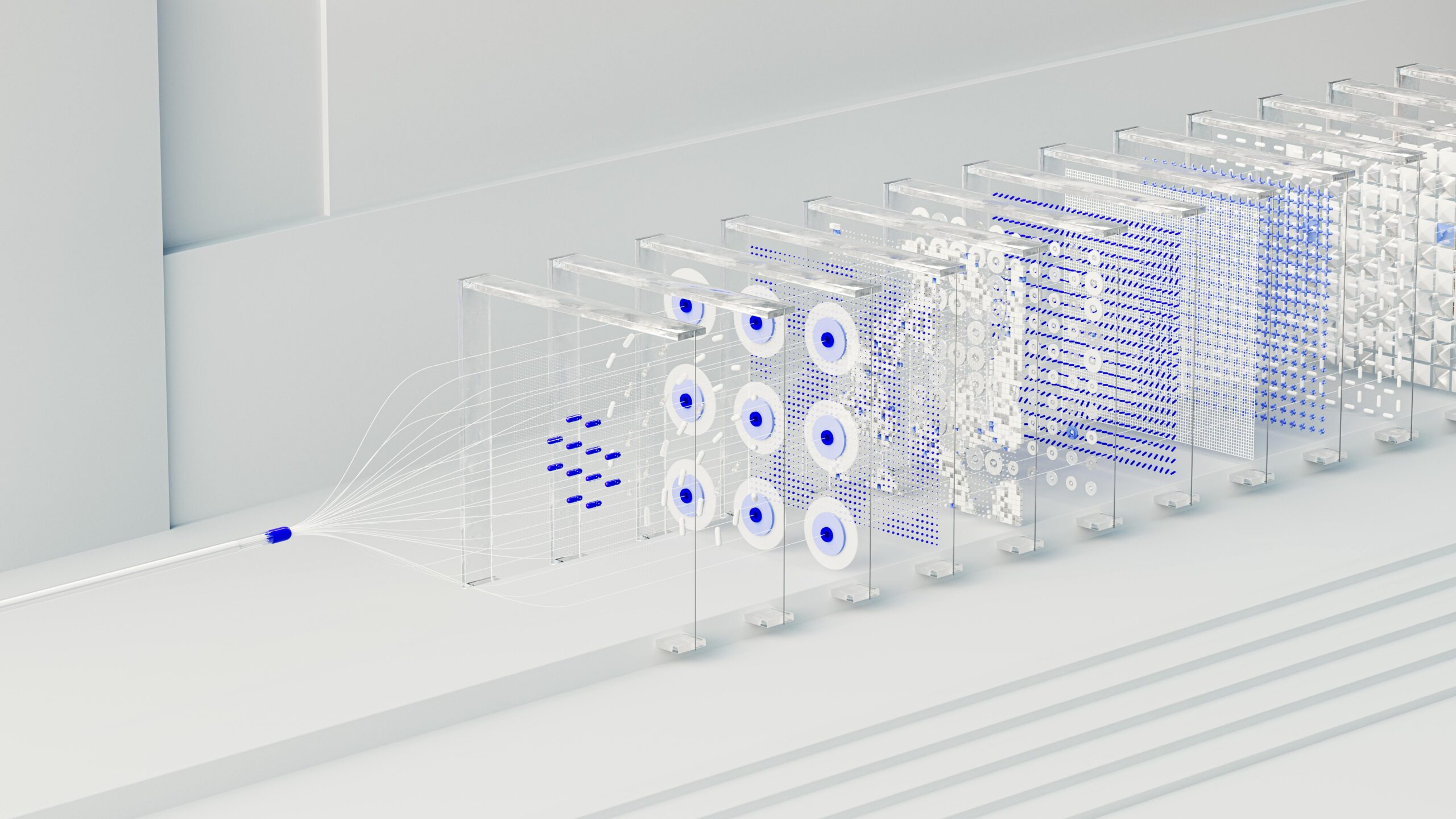
The fusion of semi-supervised learning with sparse-label indexing represents a paradigm shift in how modern machine learning systems process and categorize

In today’s data-driven environment, achieving precision in indexing accuracy isn’t just a goal—it’s a necessity. Benchmarking annotator performance ensures quality outcomes.
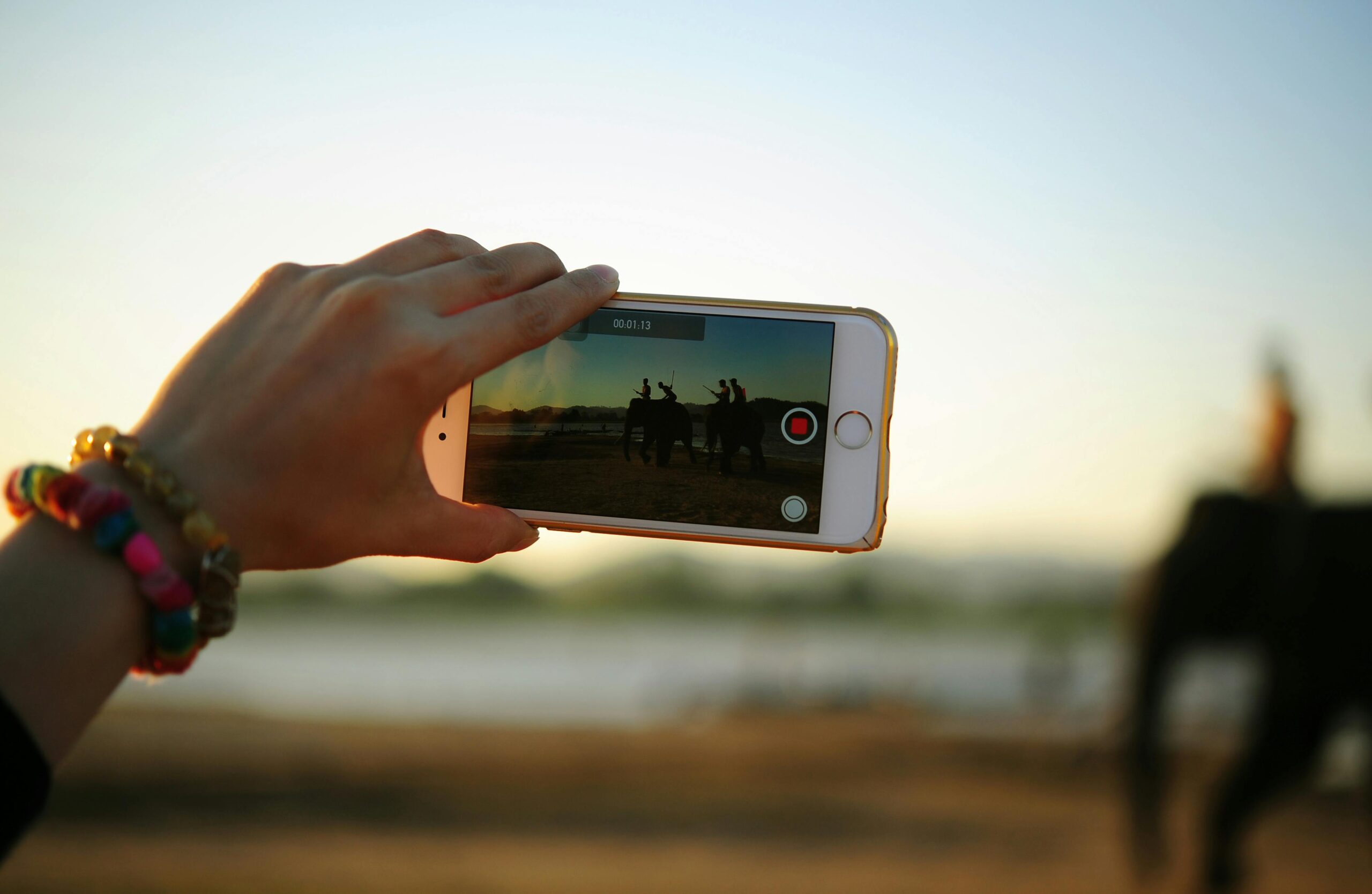
Wildlife conservation sits at a critical crossroads where technology, ethics, and environmental stewardship intersect. Modern recording and indexing methods present unprecedented
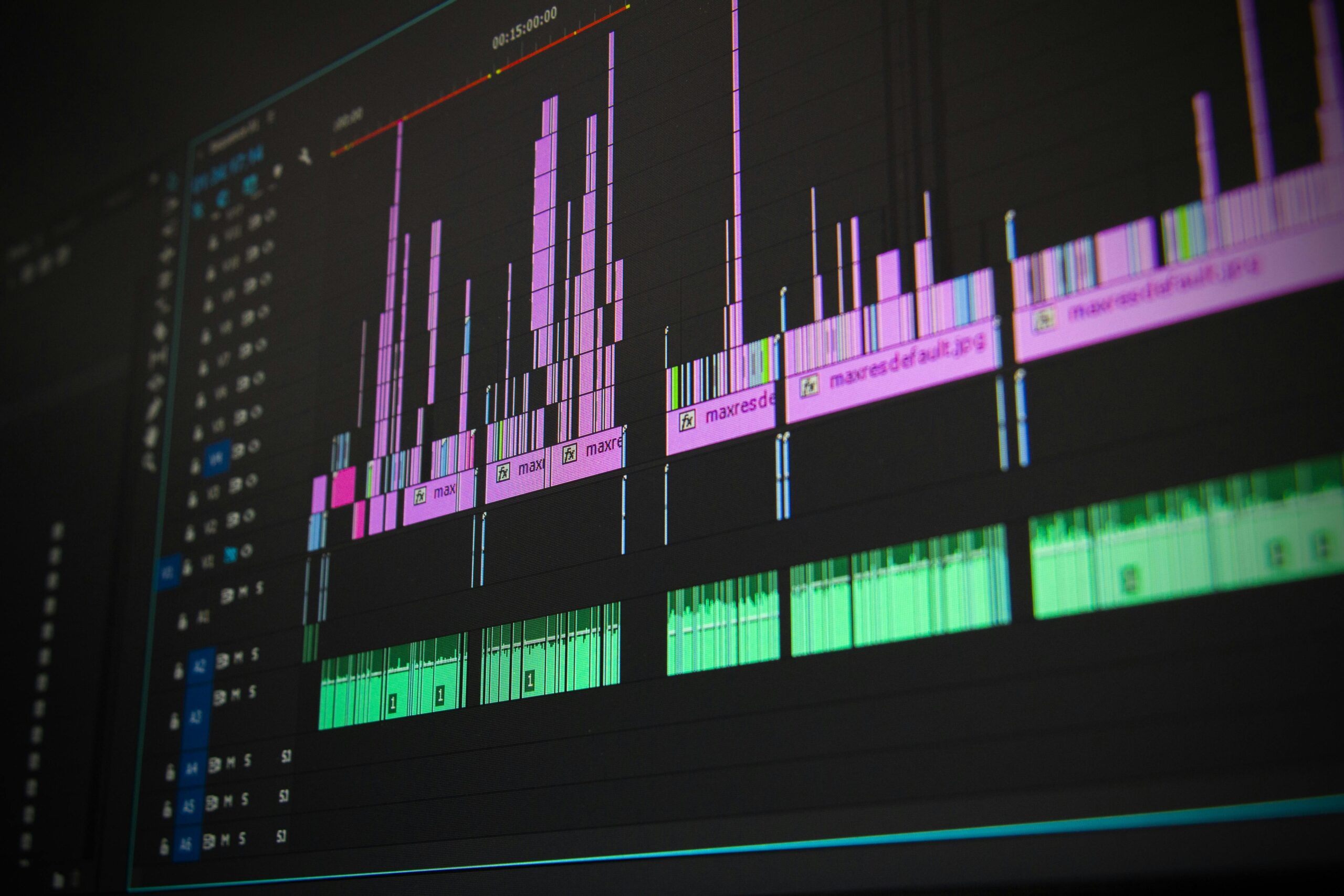
The natural world speaks in a symphony of sounds, and technology now allows us to decode, catalog, and understand animal vocalizations

Scientists are revolutionizing wildlife research by deploying acoustic monitoring stations that continuously record animal sounds, revealing hidden migration patterns across continents
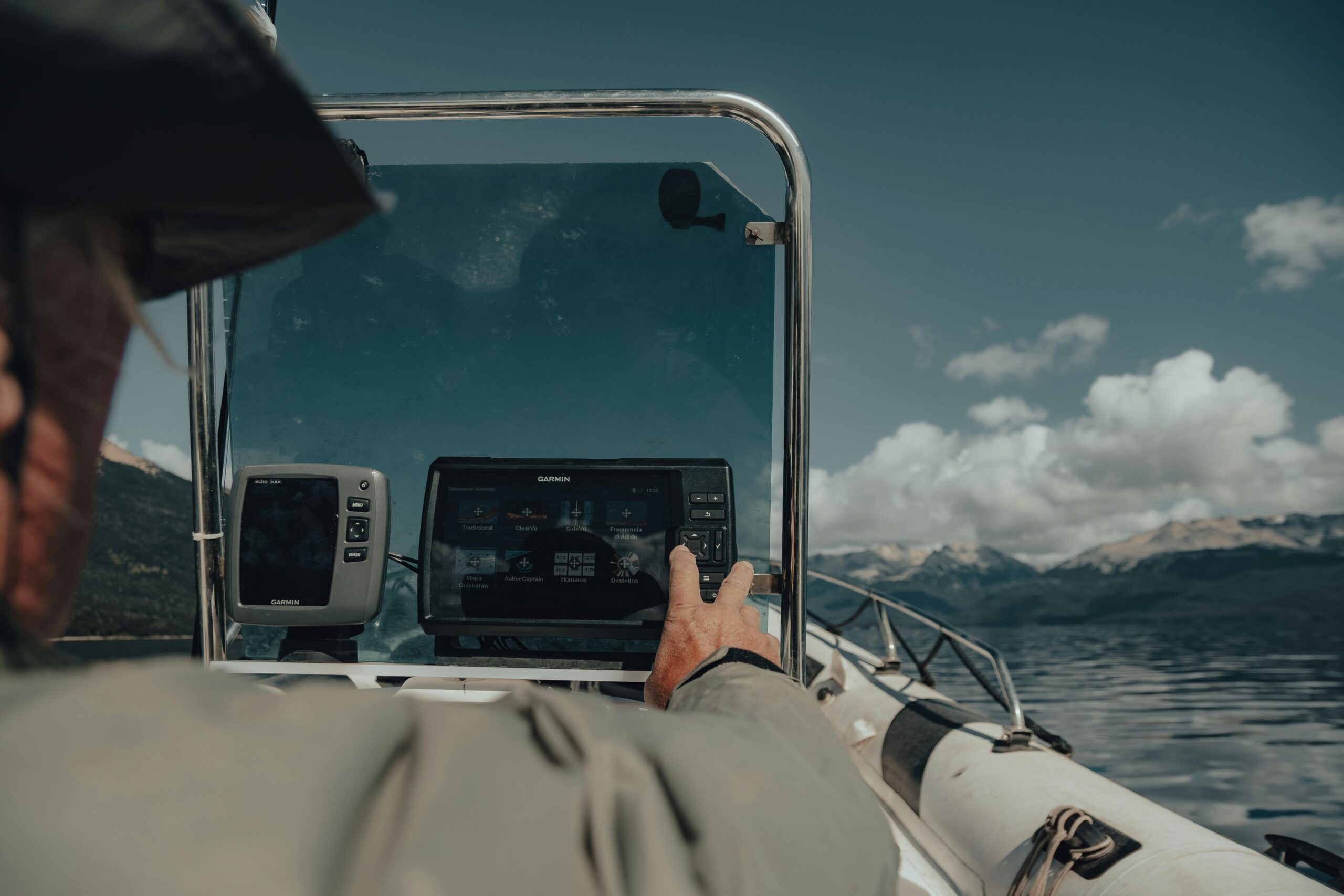
Modern wildlife monitoring has evolved dramatically, blending acoustic science with satellite technology to revolutionize how researchers track and study animal behavior

Modern cities pulse with chaos, but advanced tracking technology is redefining how we experience, navigate, and ultimately find peace within urban

Conservation efforts worldwide face a critical challenge: transforming knowledge and intention into measurable, effective action that protects biodiversity and ecosystems. Every

Deep learning is transforming acoustic tracking systems, enabling unprecedented accuracy in monitoring marine life, underwater vehicles, and environmental changes with revolutionary